How to read this monument?
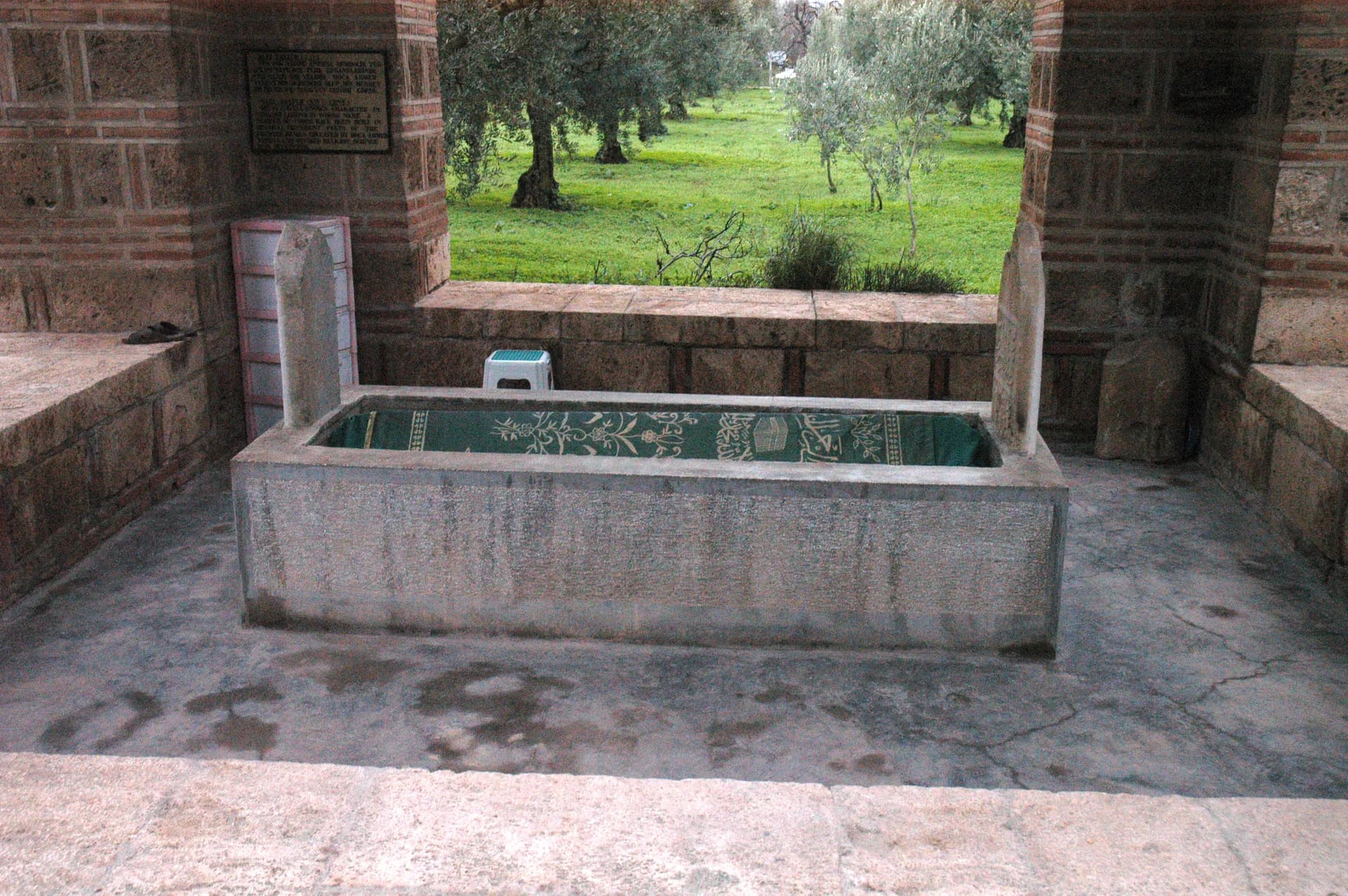
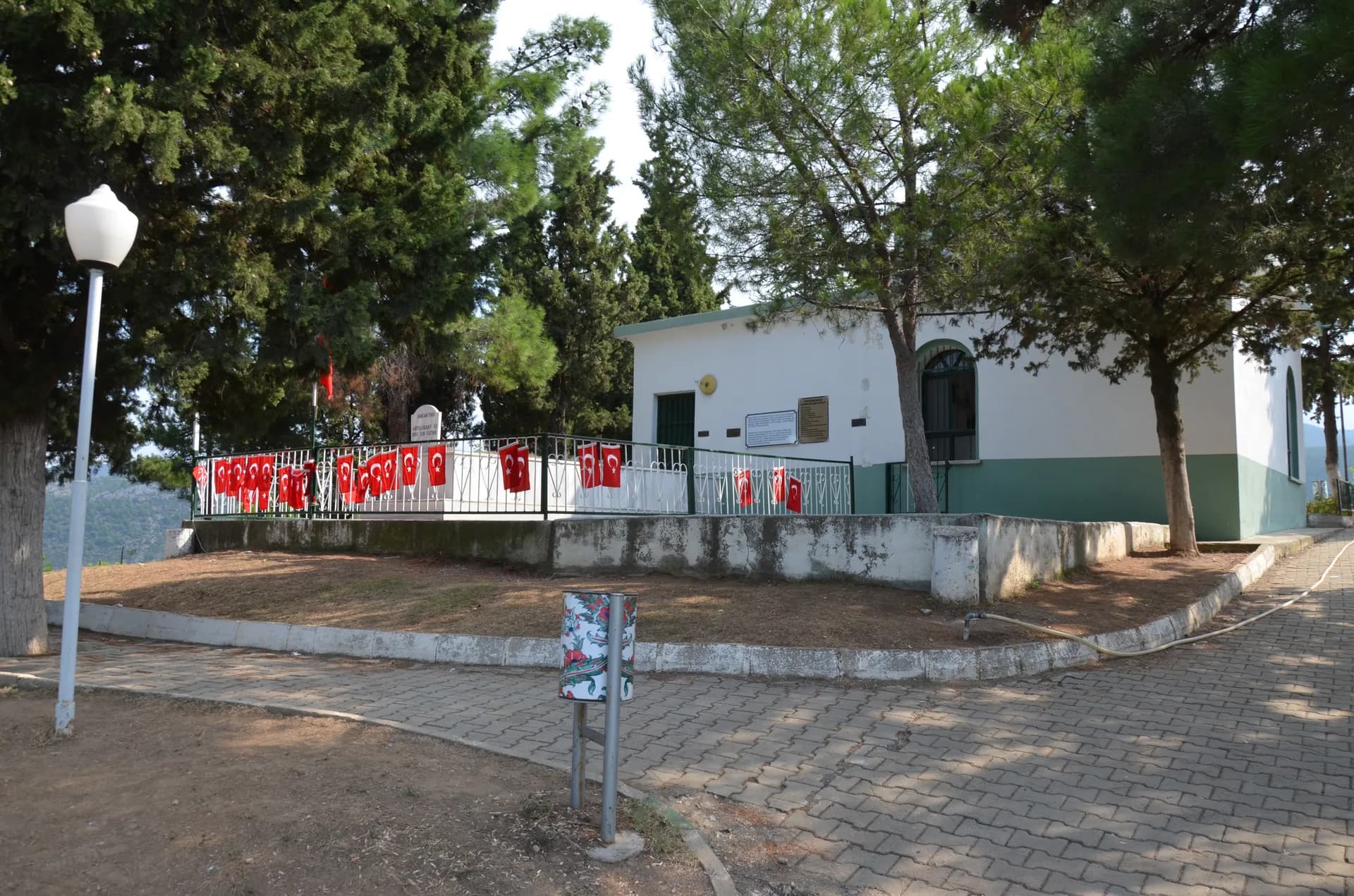
Abdulvahap Sanjaktar Tomb is a sacred place of pilgrimage located on a high hill overlooking the city of Iznik, among olive trees and pine forest. It is a domed tomb built during the Ottoman period in memory of Abdulvahap, the Islamic standard-bearer who was martyred during the siege of Nicaea by the Umayyad armies in the 8th century. It is the most beautiful sunset viewing point offering a 360-degree uninterrupted panoramic view of the tomb surroundings, Iznik Lake and the ancient city walls.
Don't miss
Abdulvahap Sanjaktar Tomb is a sacred place of pilgrimage located on a high hill overlooking the city of Iznik, among olive trees and pine forest.
It is a domed tomb built during the Ottoman period in memory of Abdulvahap, the Islamic standard-bearer who was martyred during the siege of Nicaea by the Umayyad armies in the 8th century.
It is the most beautiful sunset viewing point offering a 360-degree uninterrupted panoramic view of the tomb surroundings, Lake Iznik and the ancient city walls.
historical background
Abdulvahap Sanjaktar Tomb is a sacred place of pilgrimage located on a high hill overlooking the city of Iznik, among olive trees and pine forest.
It is a domed tomb built during the Ottoman period in memory of Abdulvahap, the Islamic standard-bearer who was martyred during the siege of Nicaea by the Umayyad armies in the 8th century.
It is the most beautiful sunset viewing point offering a 360-degree uninterrupted panoramic view of the tomb surroundings, Lake Iznik and the ancient city walls.
Local image archive