How to read this monument?
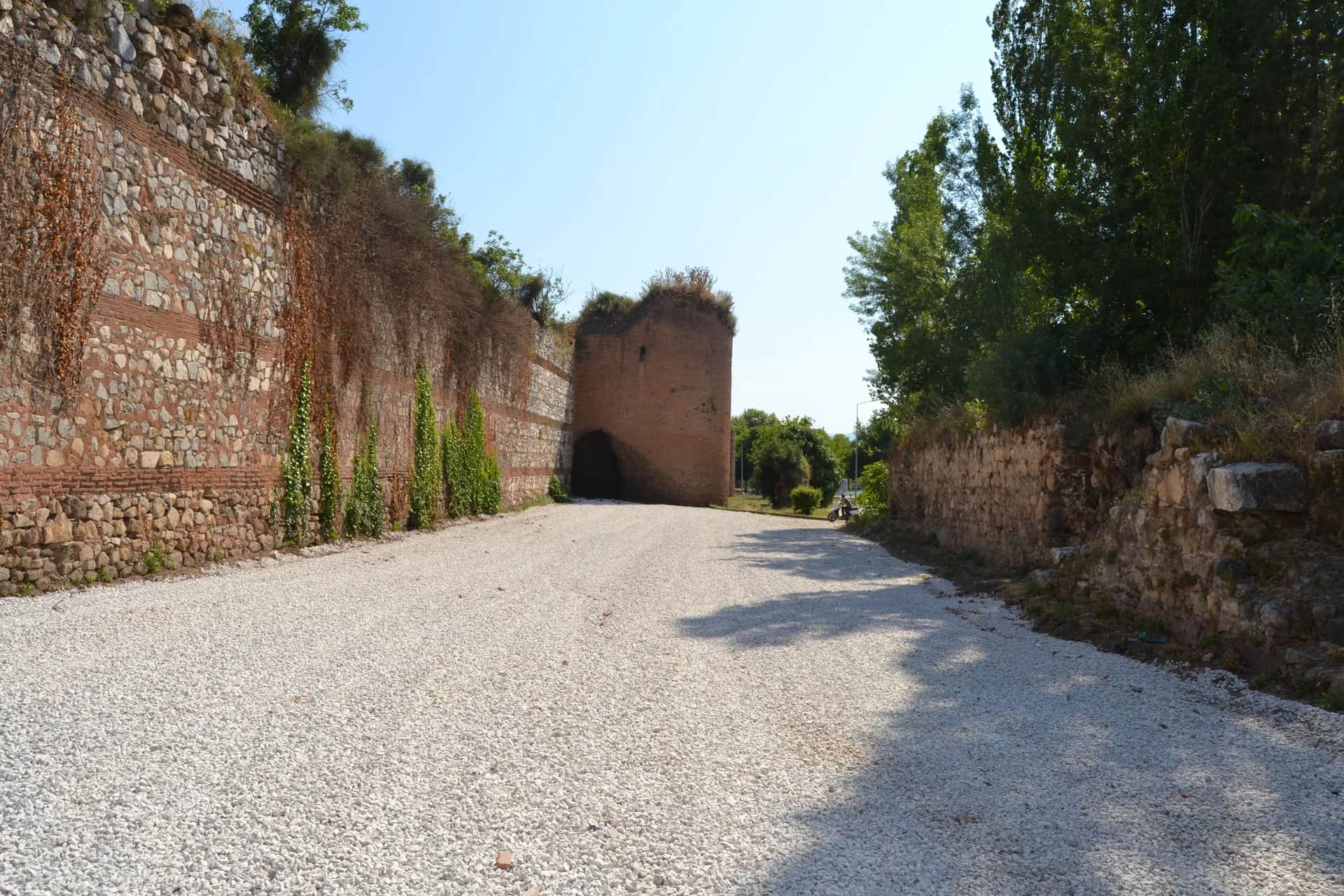
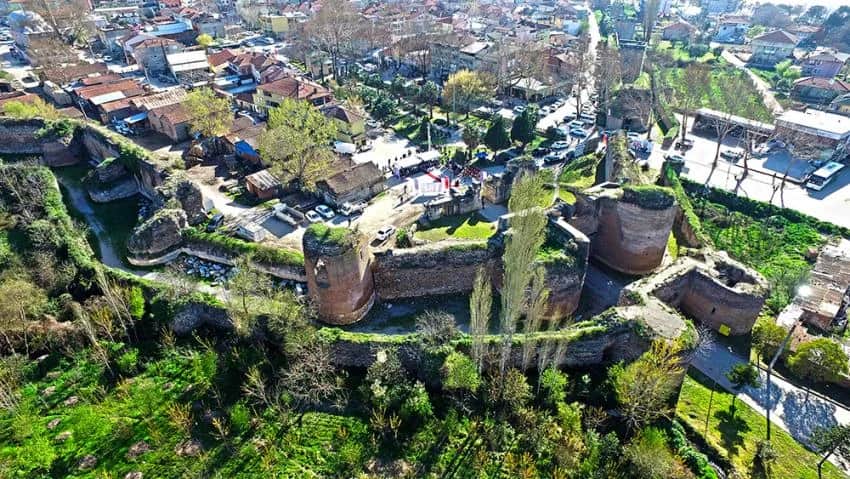
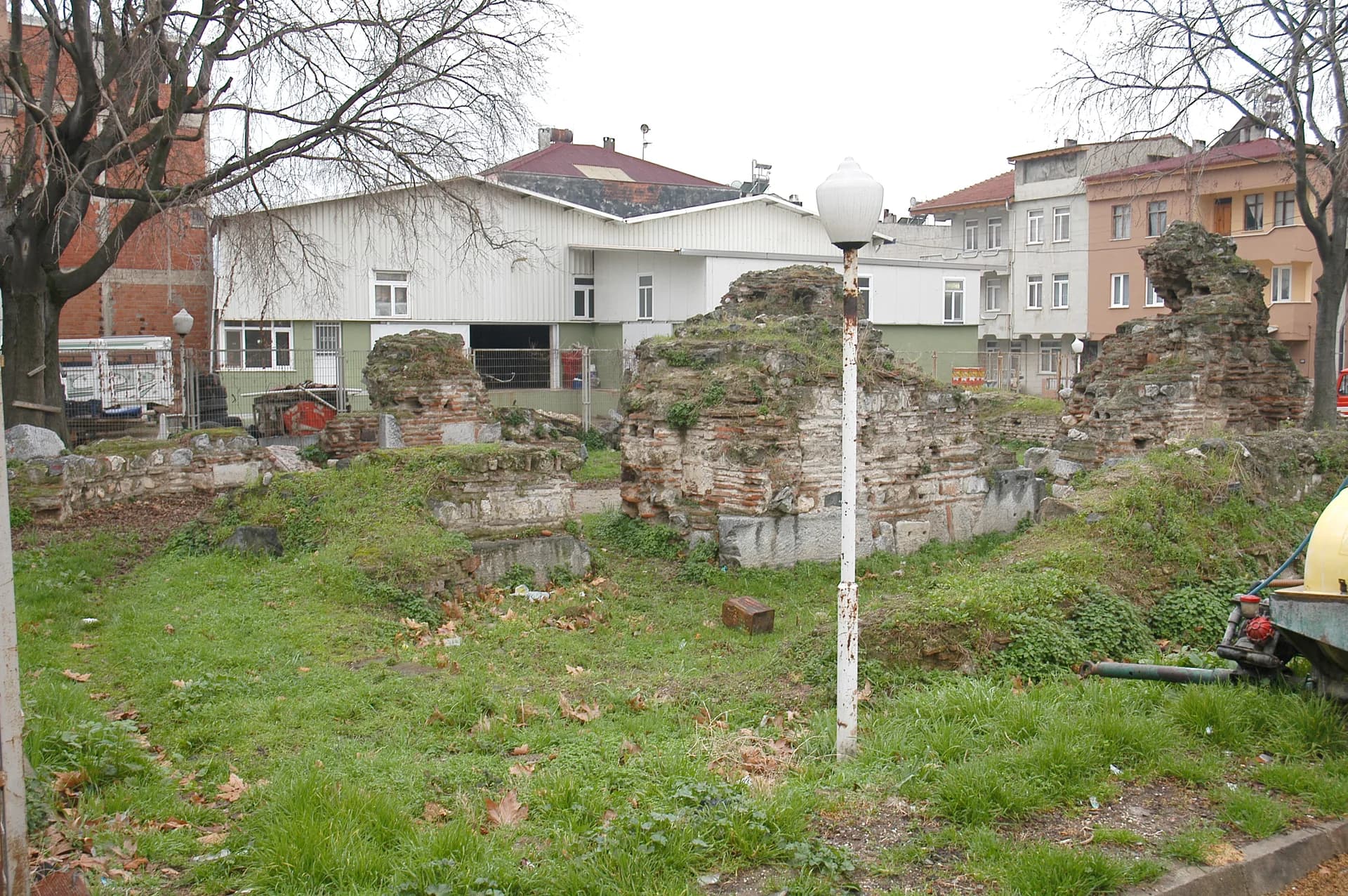
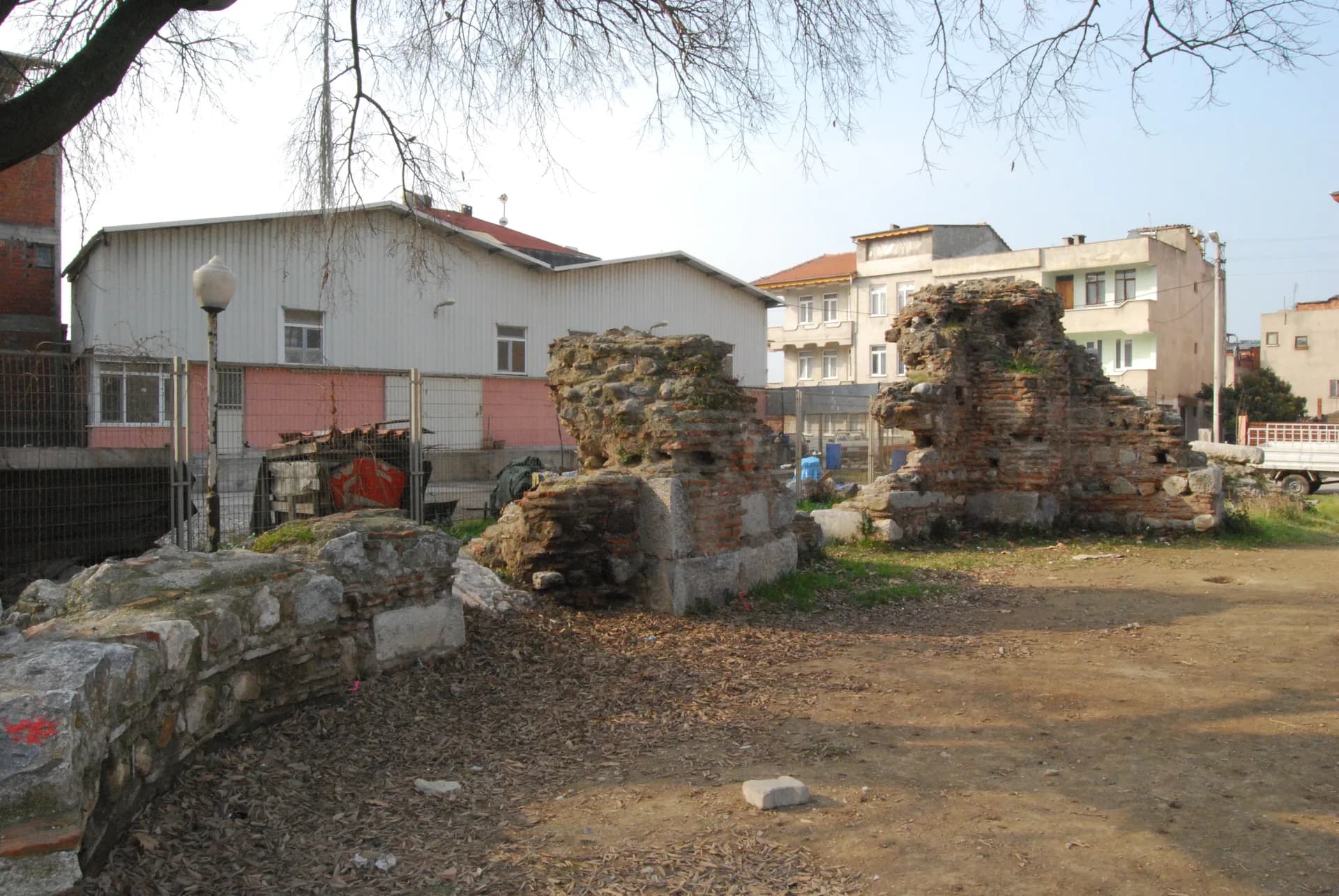
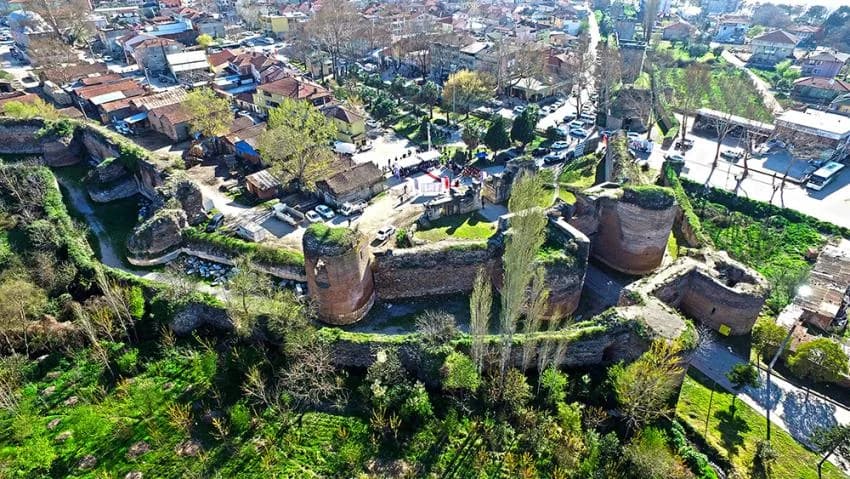
Istanbul Gate is the monumental entrance of ancient Nikaia opening to the north. It is not just a single arch: the layered layout of outer gate, defensive courtyard and inner passage is designed to slow down the attacker. The monumental entrance from the Roman period became a part of the city wall system with Byzantine repairs.
Don't miss
Experience the three-stage transition pattern by walking from the outskirts of the city to the center.
Look for spoliated marble blocks, masks and inscription fragments.
Observe the role of the narrowing area between the towers and the gate in defense.
When you look south from the door, see how the ancient north-south axis continues on today's street.
historical background
Istanbul Gate (Porta Constantinopolitana) is the most magnificent city wall gate that started to be built in the 1st century AD during the reign of Roman Emperor Vespasian and was strengthened during the Byzantine and Ottoman periods.
There are inscriptions in ancient Greek letters, victory wreaths and Herakles reliefs on the door façade. Two large semicircular towers and a double layer of city walls protected the city against invasions from the north for centuries.
The structure, which Evliya Çelebi referred to as 'Dersaadet Gate' in his Seyahatname, was the main starting point of the historical caravan route to Constantinople and the royal parades.
Local image archive