How to read this monument?
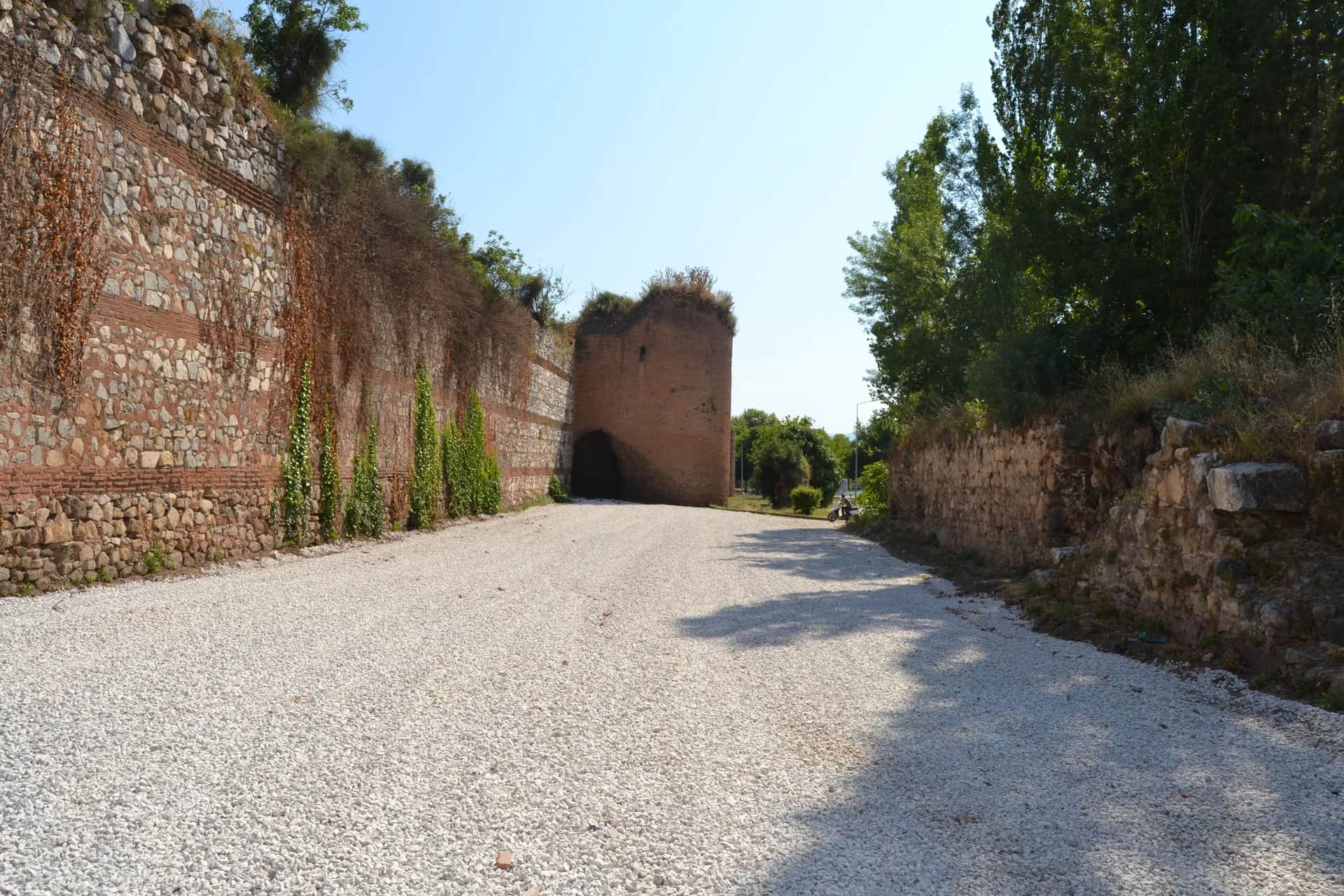
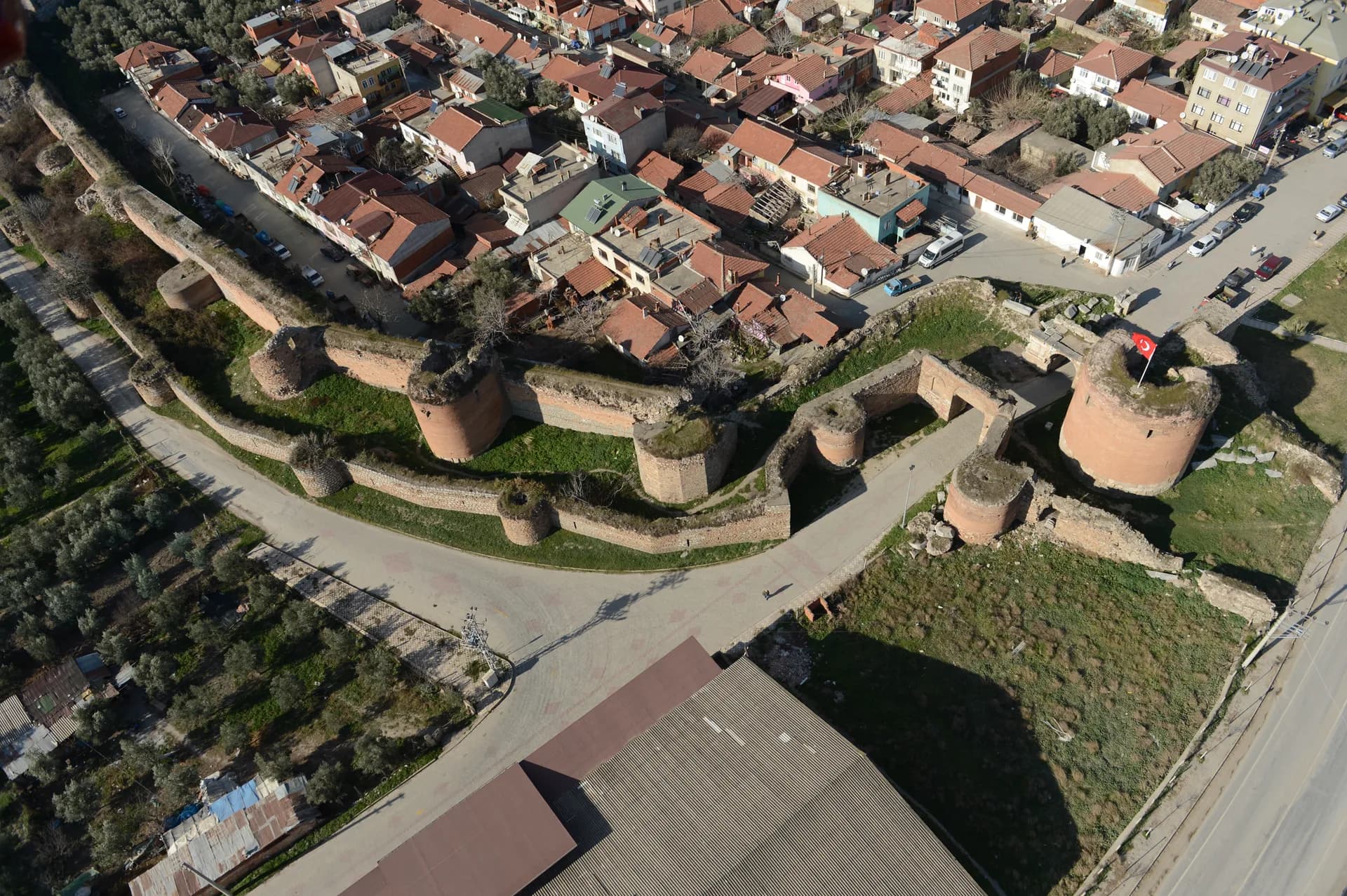
Yenişehir Gate (South Gate) is the city's strategic southern gate opening to Bursa and the Yenişehir plain. Its foundations were laid during the reign of Roman Emperor Claudius, and it was strengthened by the Lascaris dynasty in the 13th century. Giant spolia marble blocks, antique relief stelae and brick belts were used together in the gate structure. Yenişehir Gate is the historical defense bastion in the southern part of the Iznik walls, where the Anatolian principalities and the Ottoman army first came into contact.
Don't miss
Yenişehir Gate (South Gate) is the city's strategic southern gate opening to Bursa and the Yenişehir plain. Its foundations were laid during the reign of Roman Emperor Claudius, and it was strengthened by the Lascaris dynasty in the 13th century.
Giant spolia marble blocks, antique relief stelae and brick belts were used together in the gate structure.
Yenişehir Gate is the historical defense bastion in the southern part of the Iznik walls, where the Anatolian principalities and the Ottoman army first came into contact.
historical background
Yenişehir Gate (South Gate) is the city's strategic southern gate opening to Bursa and the Yenişehir plain. Its foundations were laid during the reign of Roman Emperor Claudius, and it was strengthened by the Lascaris dynasty in the 13th century.
Giant spolia marble blocks, antique relief stelae and brick belts were used together in the gate structure.
Yenişehir Gate is the historical defense bastion in the southern part of the Iznik walls, where the Anatolian principalities and the Ottoman army first came into contact.
Local image archive