How to read this monument?
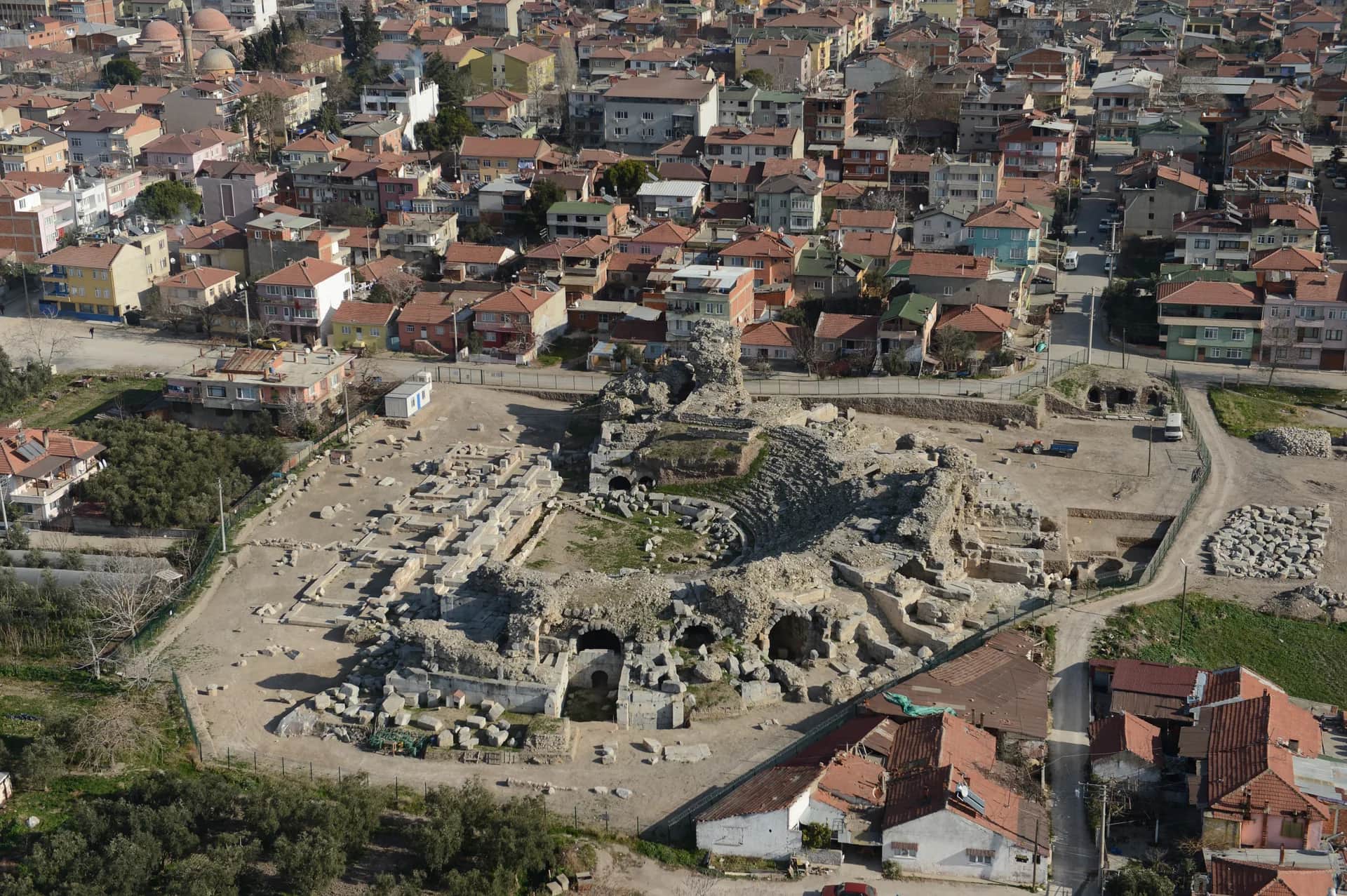
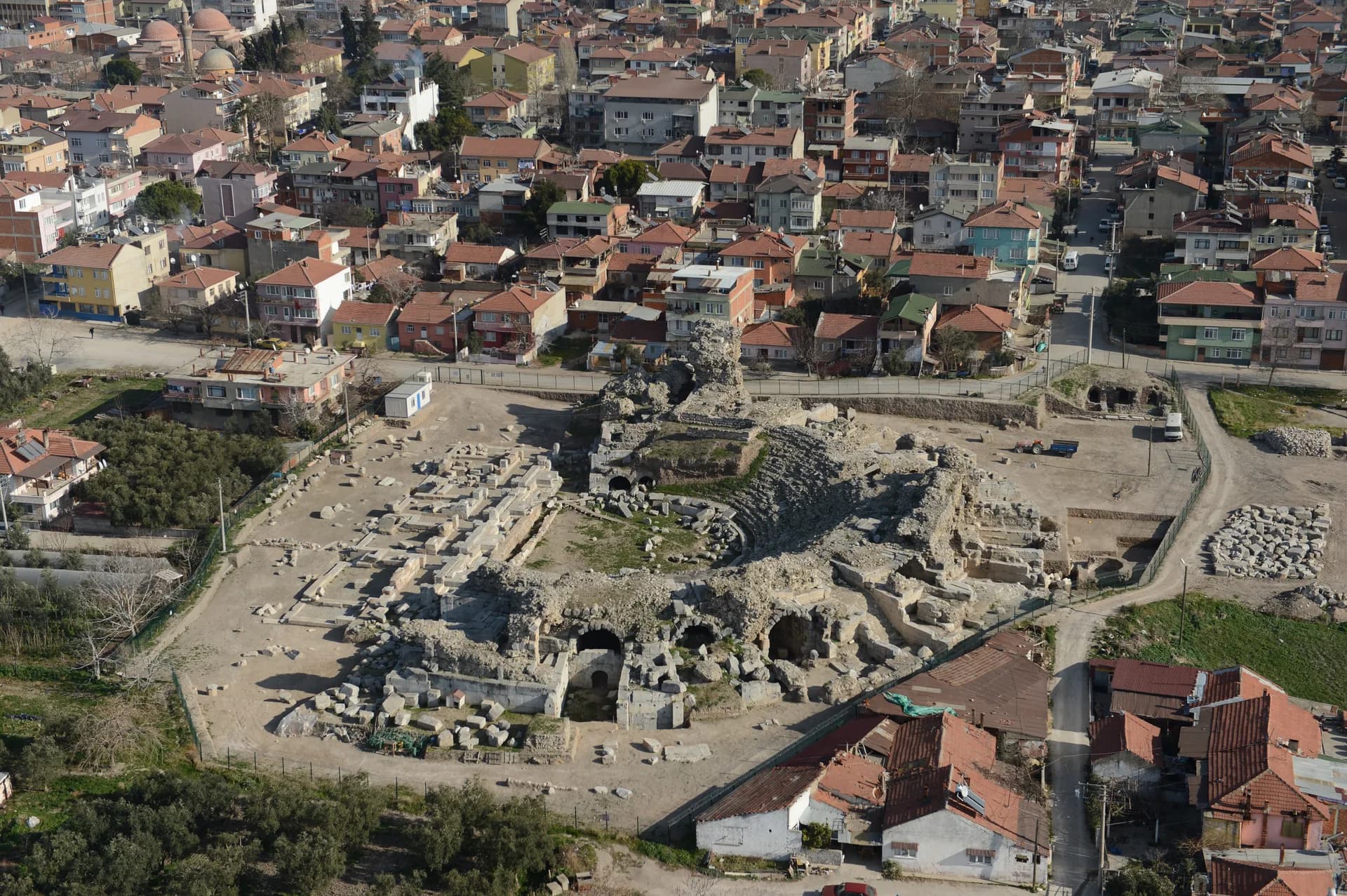
The Roman Theater is associated with the large public investments mentioned in the correspondence of Pliny the Younger, governor of Bithynia, during the reign of Emperor Trajan. Since it is built on flat land, the seating rows sit on a vaulted carrier system, not on a natural slope. Its use as a cemetery, building stone source and settlement area in the following centuries turned the theater into a multi-layered archaeological site.
Don't miss
Examine how the vaulted infrastructure rising on the flat land supports the theater.
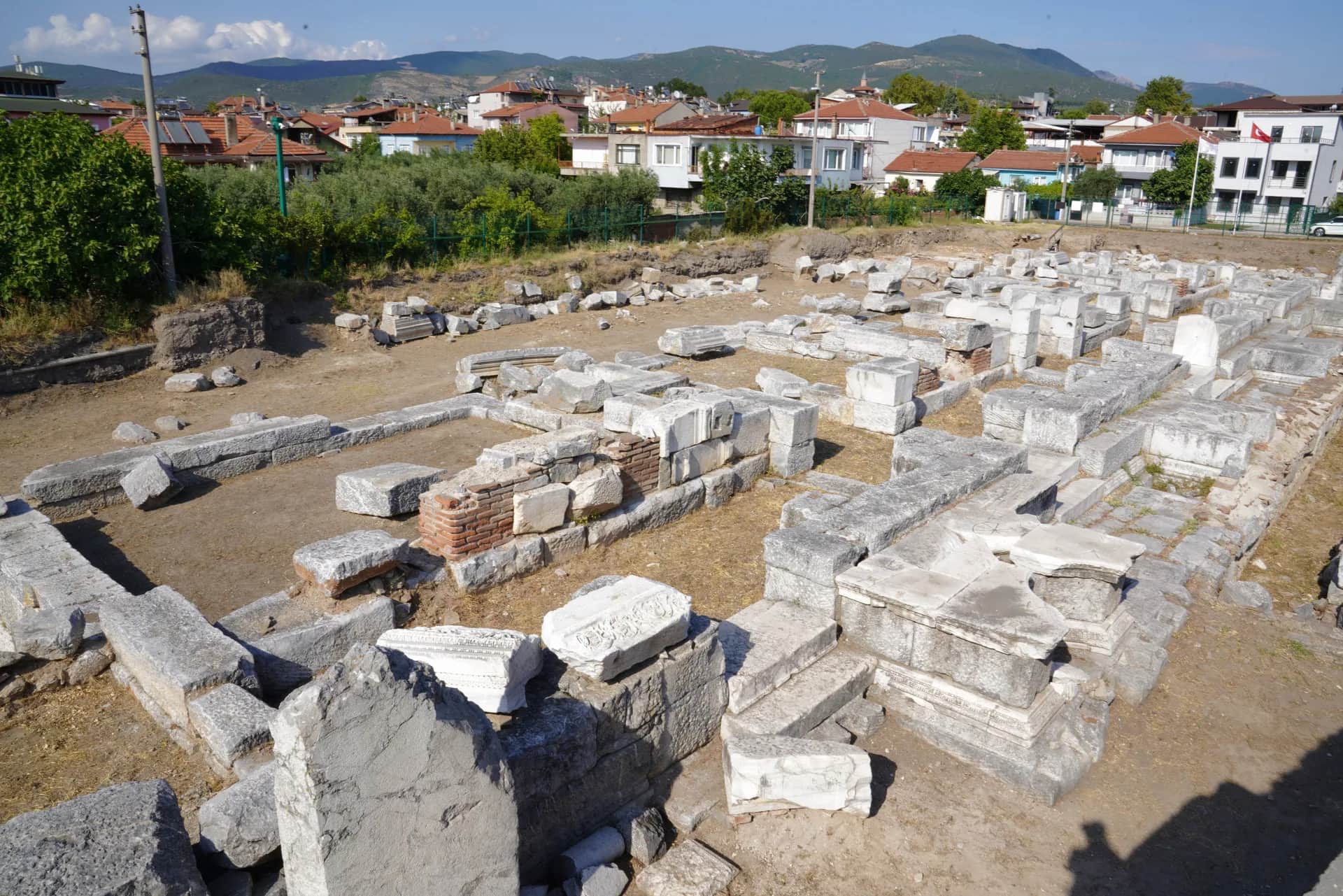
Read the relative position of the orchestra, seating area and stage building.
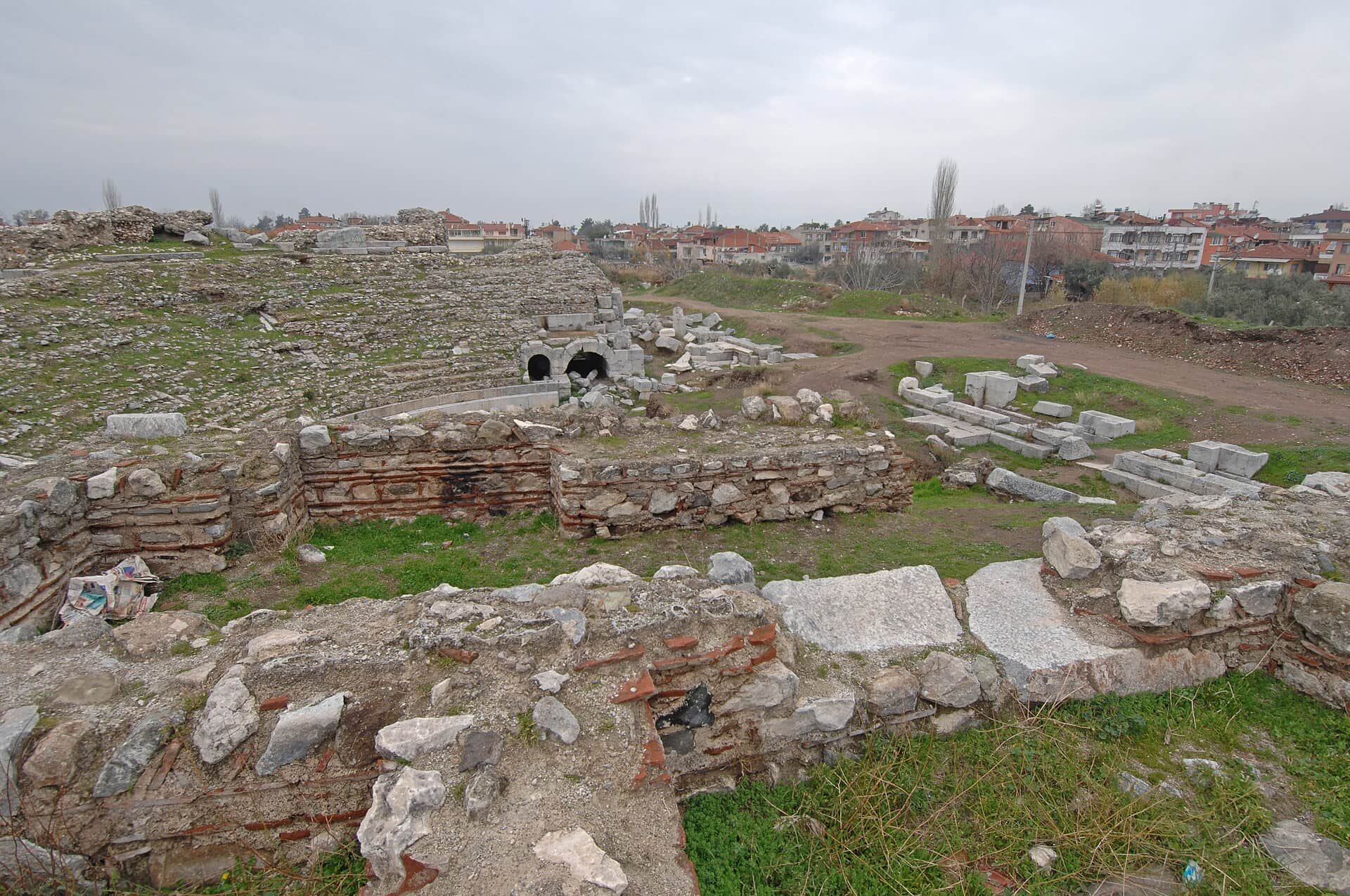
Don't miss the traces of graves and buildings from late periods.
Remember that some of the reused stones on the walls may have been moved from the theatre.
historical background
Iznik Roman Theater was built in the 2nd century AD by Bithynia Governor Plinius (Pliny the Younger) during the reign of Roman Emperor Trajan.
Unlike other Greco-Roman theaters in Anatolia, it was built on a flat area, on vaulted masonry legs, rather than on a mountain slope.
It was used as a mass cemetery and collection area during the Byzantine period, and as a ceramic waste area that provided raw materials for the palace tile kilns during the Ottoman period.
Local image archive