Insect Spring: Sericulture and Underground Water Heritage
Domed baptistery and spring structure from the 6th century, healing water belief and silkworm tradition.
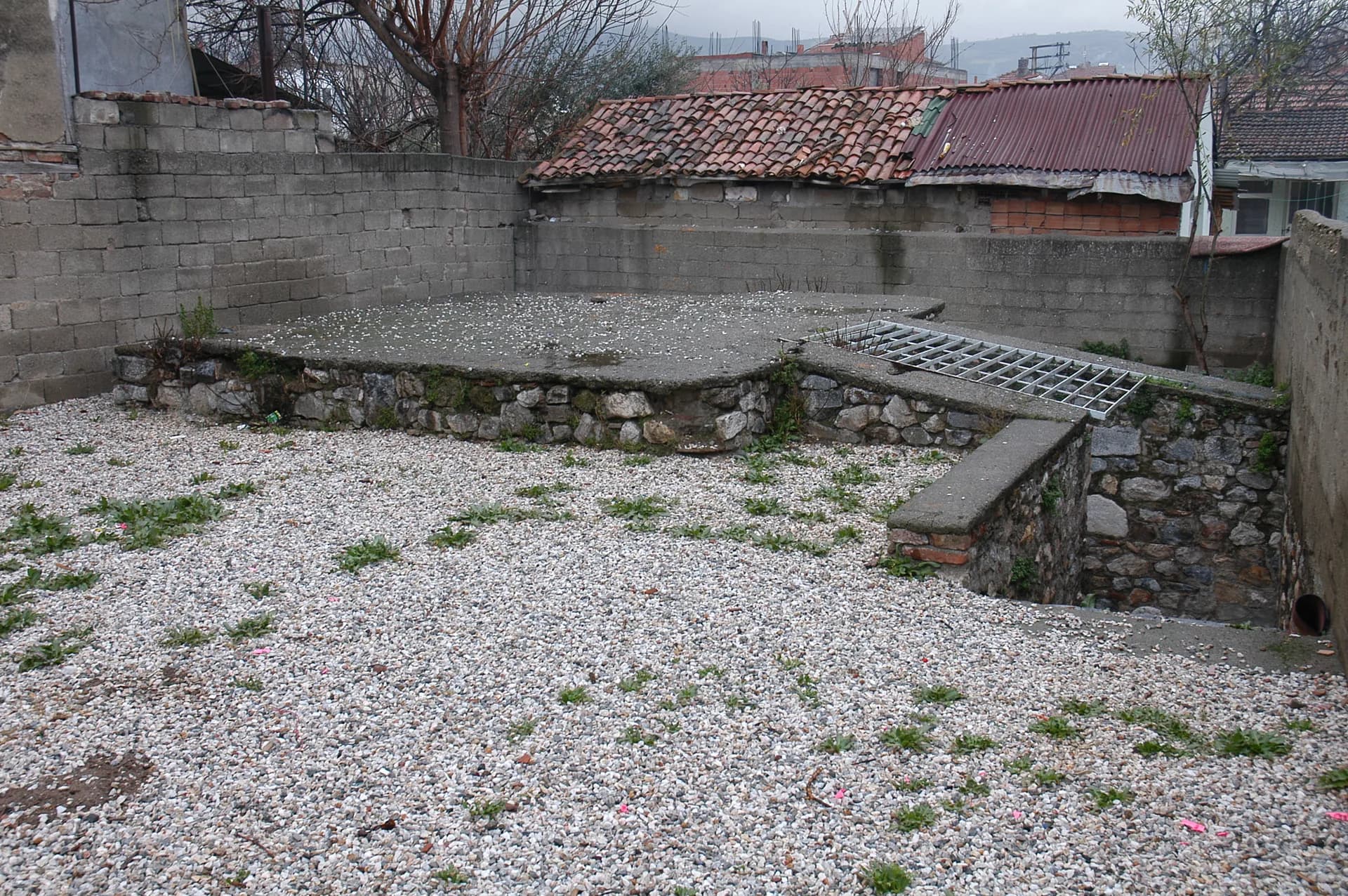
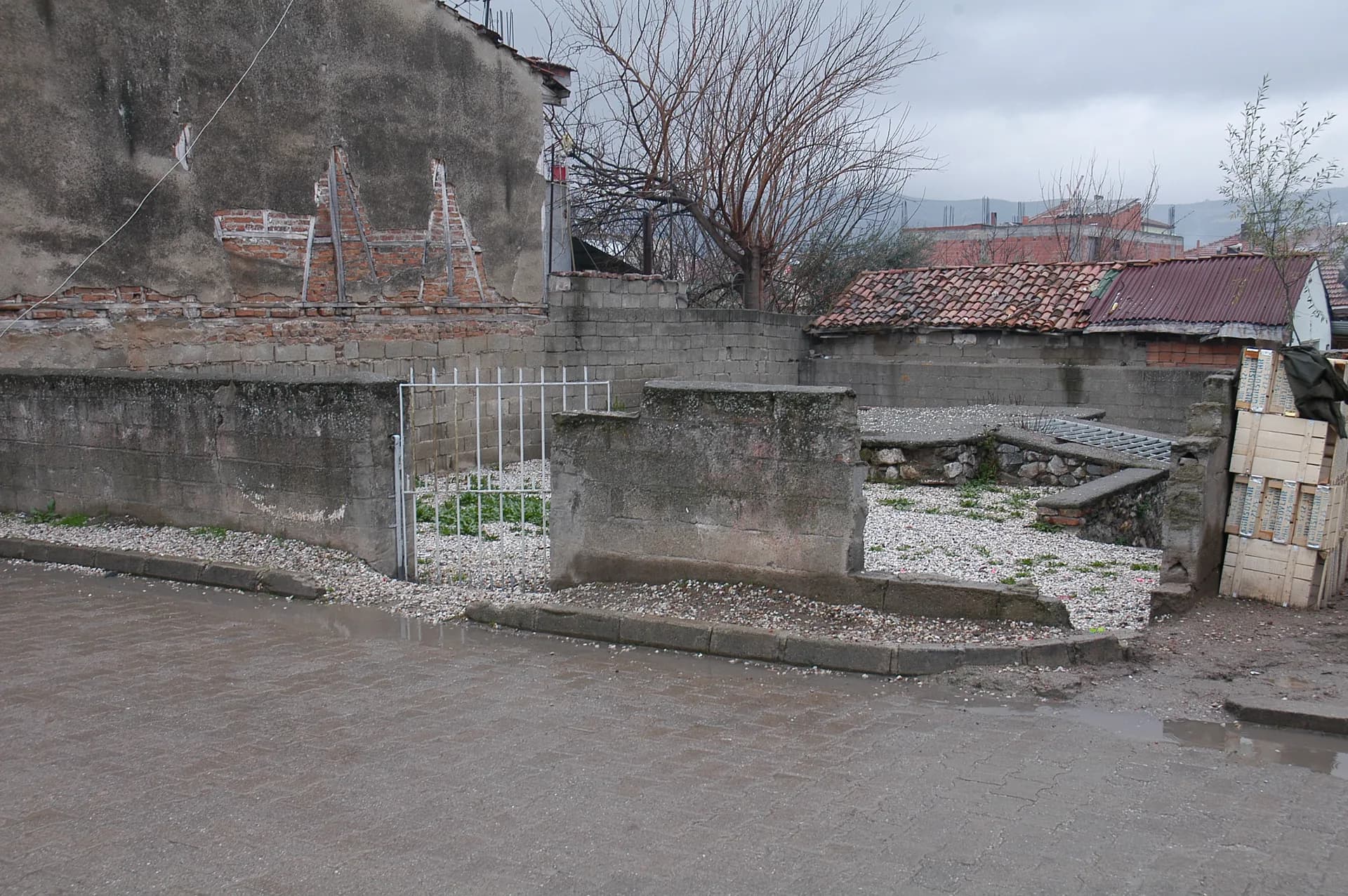
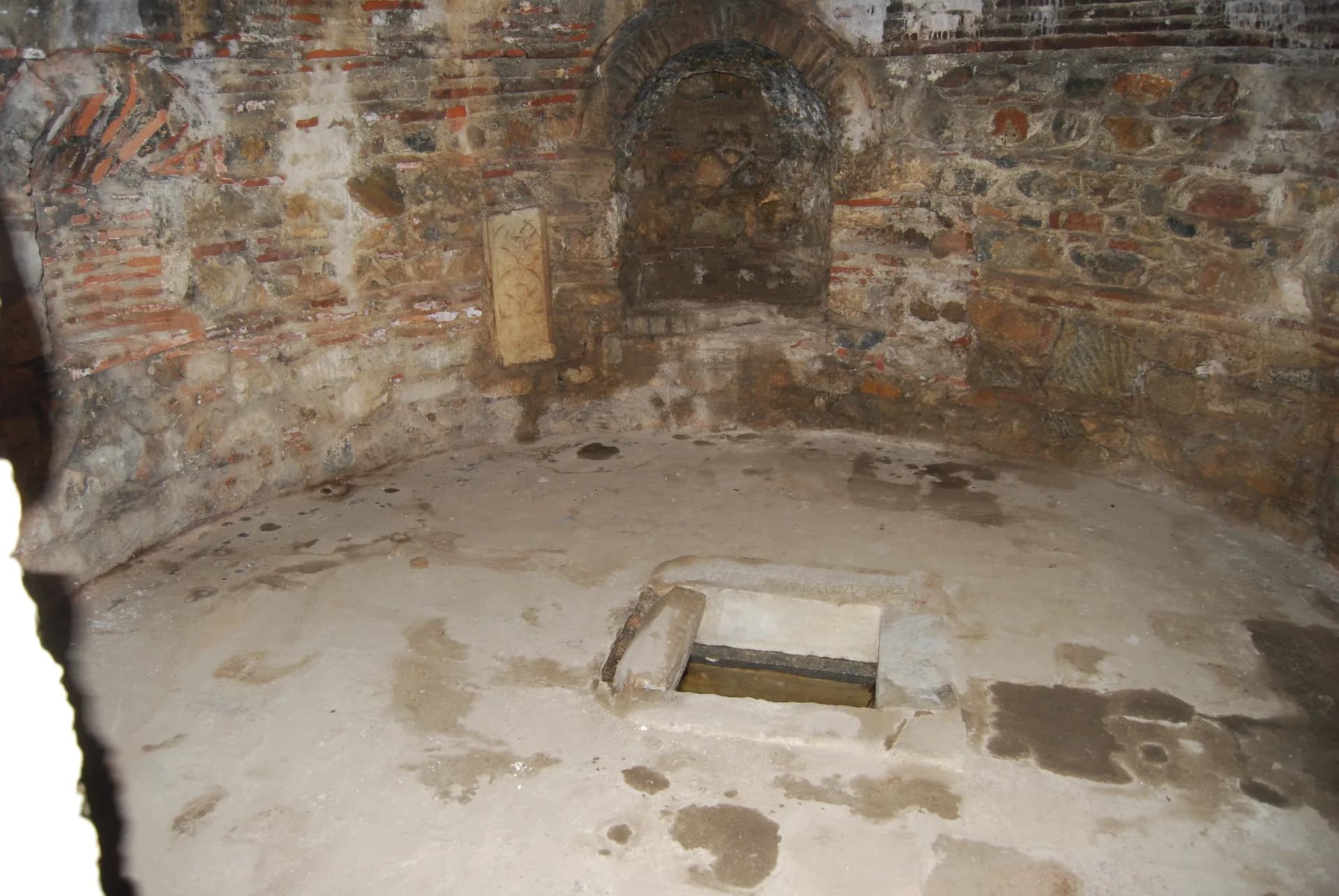
One of the most interesting structures hidden below ground level in the streets of Iznik city walls is the Böcek Spring. Built in the early Byzantine period (6th century), this circular-planned and domed underground structure actually served as a baptistery and holy water source (hayazma).
The building, identified with silkworm farming, which was the city's most important source of income during the Ottoman period, has become a mystical place visited for the abundance of mulberry leaves and the health of silk cocoons.
Circular Plan and Domed Architecture
The building is reached through the underground entrance, which is descended by a few steps. In the middle of the circular space, there is a brick dome and wall niches.
The well and water channels in the center show that the natural spring boiling from the bottom flows into the space regularly.
before setting off
- ◆The interior is damp and cool; Stepping inside in summer heat creates a natural air conditioning effect.
Sericulture and Cultural Memory
During the spring months when silkworms were spinning cocoons, local producers would come to this spring and benefit from the abundance of water; The naming of the structure 'Böcek Spring' stems from this deep-rooted tradition.
The building, which is protected today, is one of the symbolic stops of the multi-layered religious and economic life of the city.
before setting off
- ◆Since it is located on the private property border, pay attention to the information boards when observing from outside.
Continue reading