Allowing Water in İznik: From Ancient Water Roads to Lake Base
Discover the engineering, belief and casual life relationship, which is built with the water of Iznik through water on the basis of water roads, ayazma, Hammam, Roman road and lake coast.
In this article4
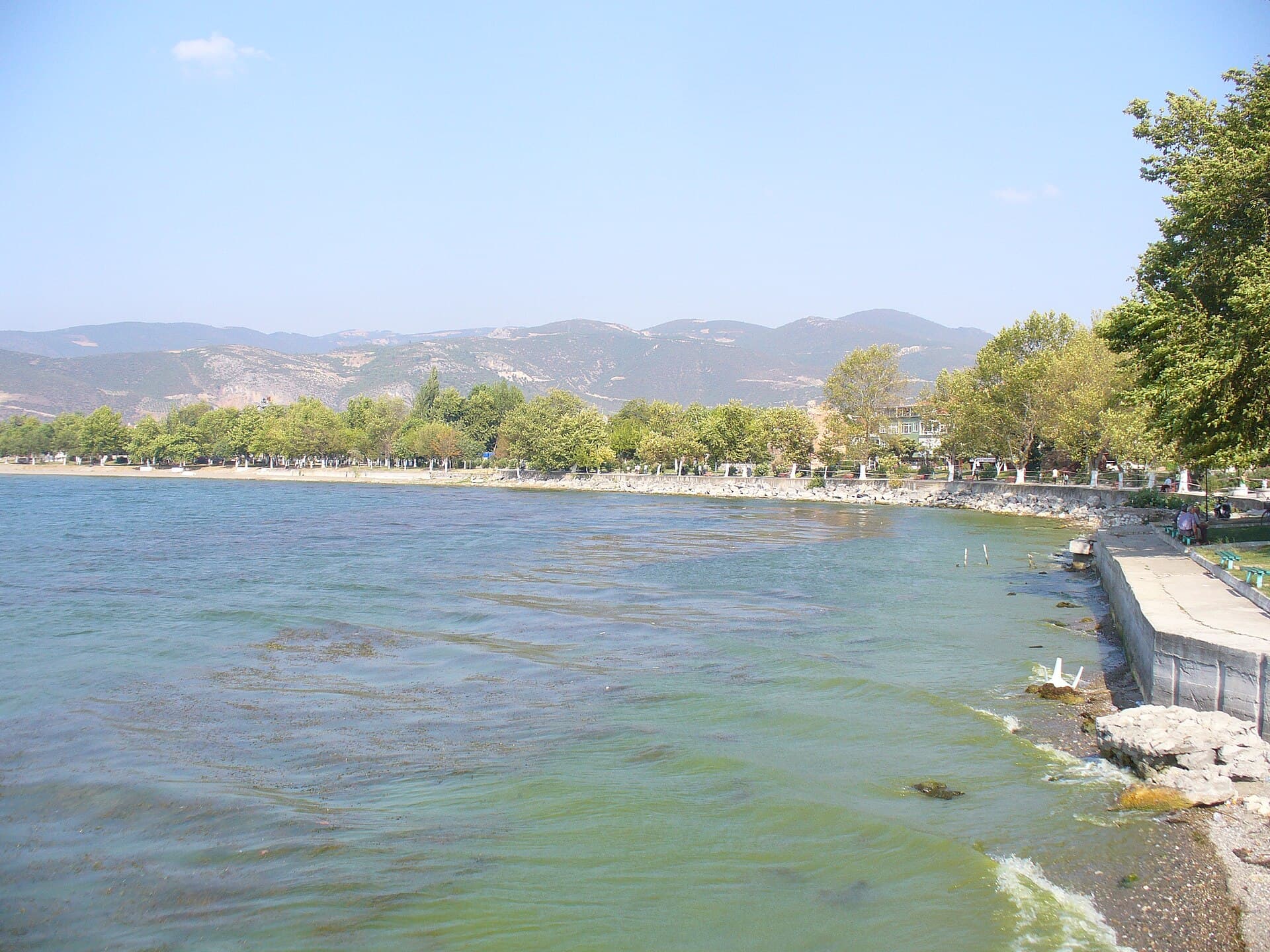
Iznik Lake is the most visible water source of the city, but its historical life was only based on the water on the coast. Water ways from sources, channels, shakes, ayazlers and baths; created different systems for drinking, cleaning, production and belief practices.
This route does not monitor the infrastructure of a single period. Roman and Byzantine engineering, Christian water ash, Ottoman baths and are parts of the same theme, which remains under the lake today. When installing connections, it is necessary to assume that all residues are part of the same network.
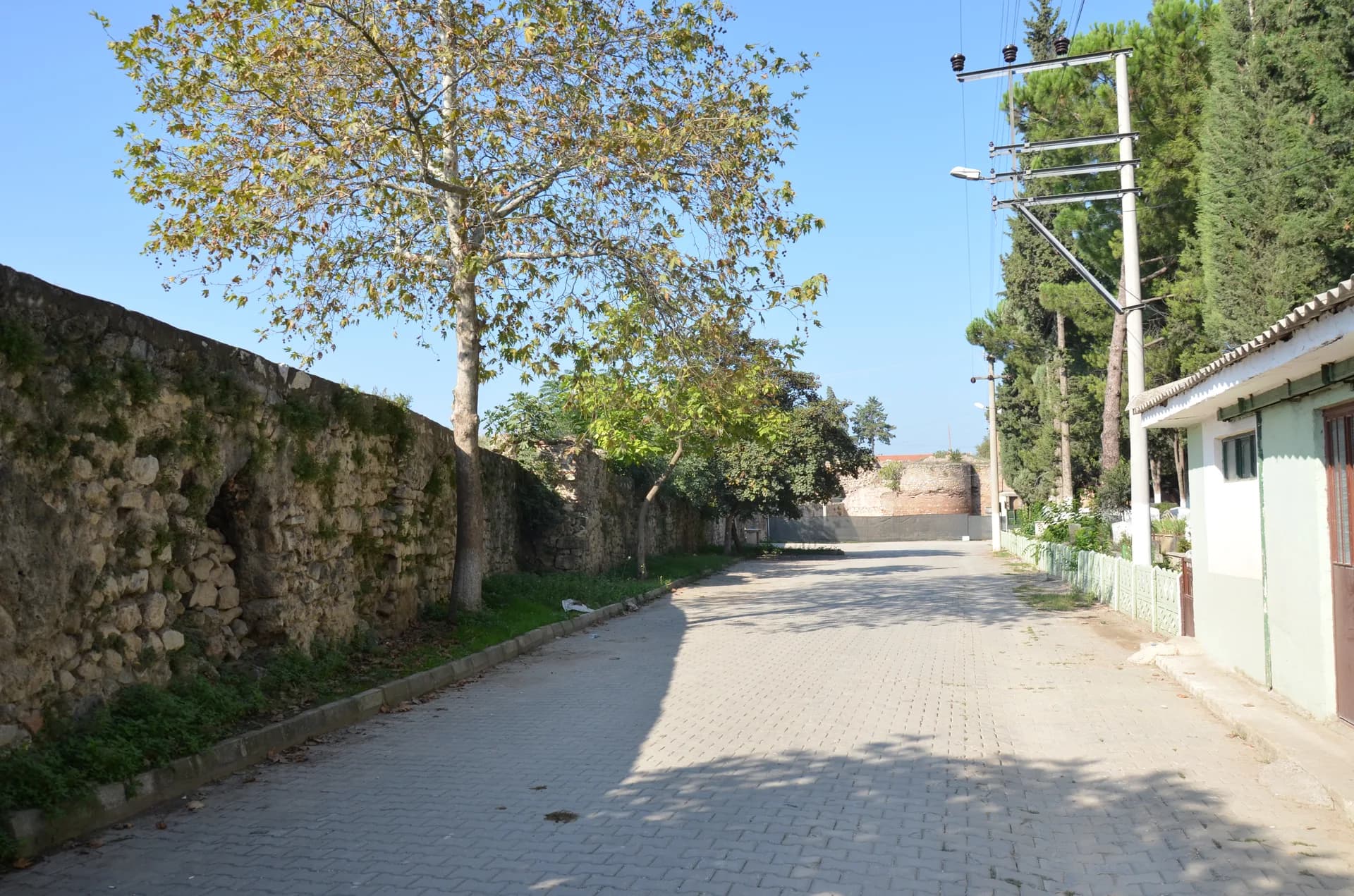
Water Ways: Unseeing City Infrastructure
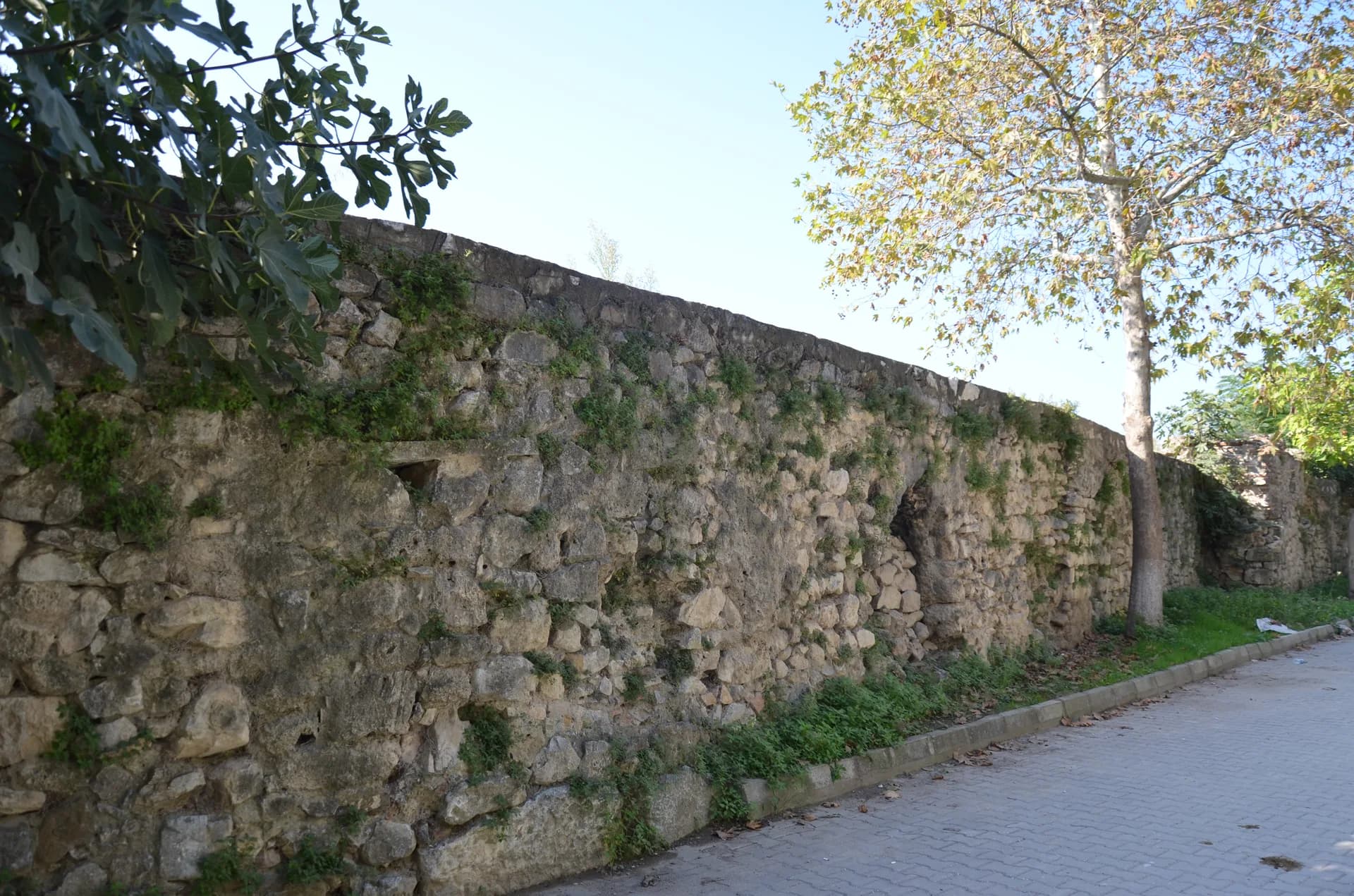
It was a great engineering job that requires water to the city, slope and continuity. Solutions such as open channel, closed line and belt were changing according to the terrain; the parts seen today are small sections of the system alone.
See the canal traces on the stone surface, the grout texture and the relationship with the terrain slope of the line. It is more accurate to observe the environment without leaving the residues and to understand both the protection and the route on a wider scale.
Insect Burning: Water and Local Memory
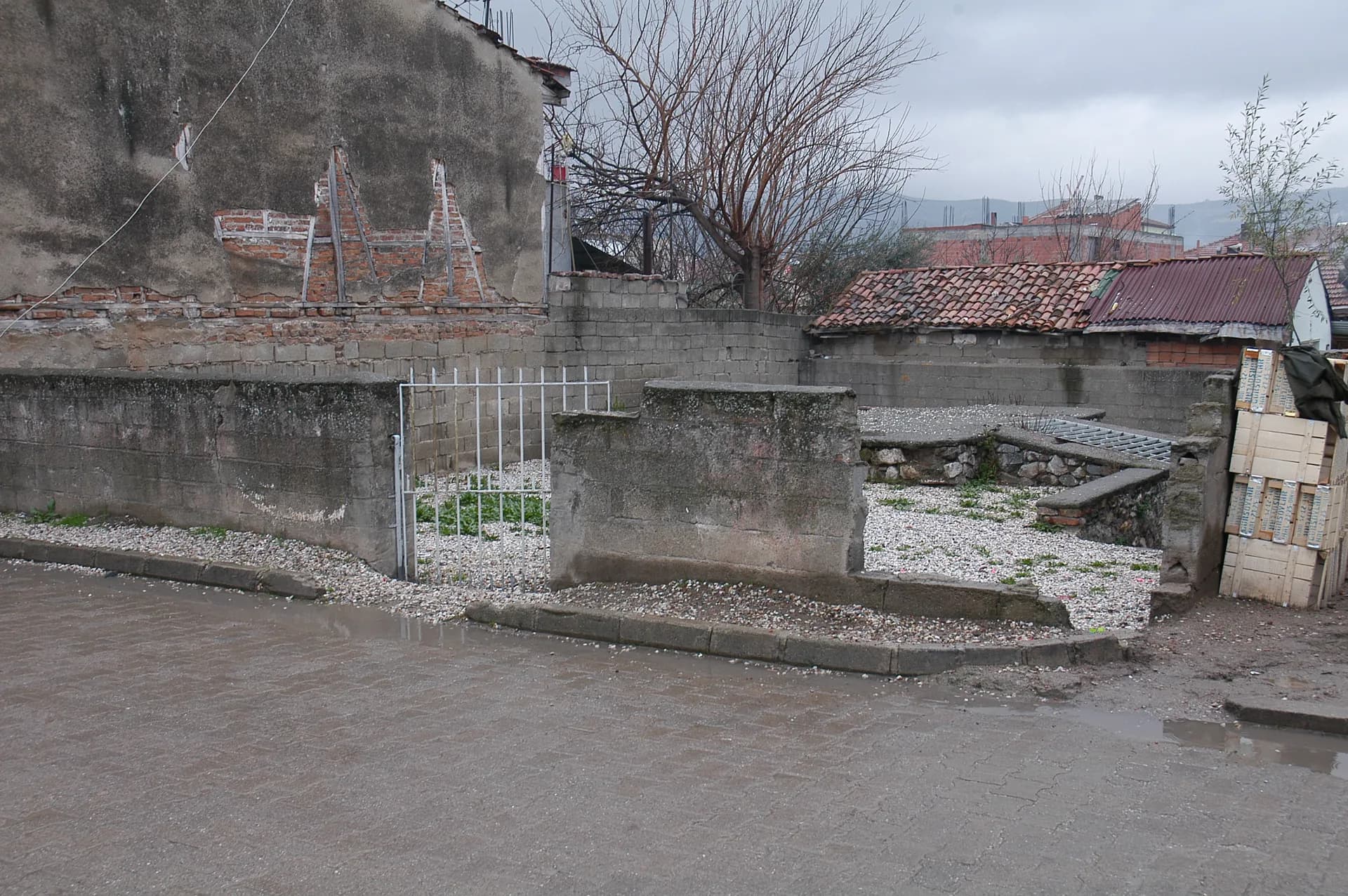
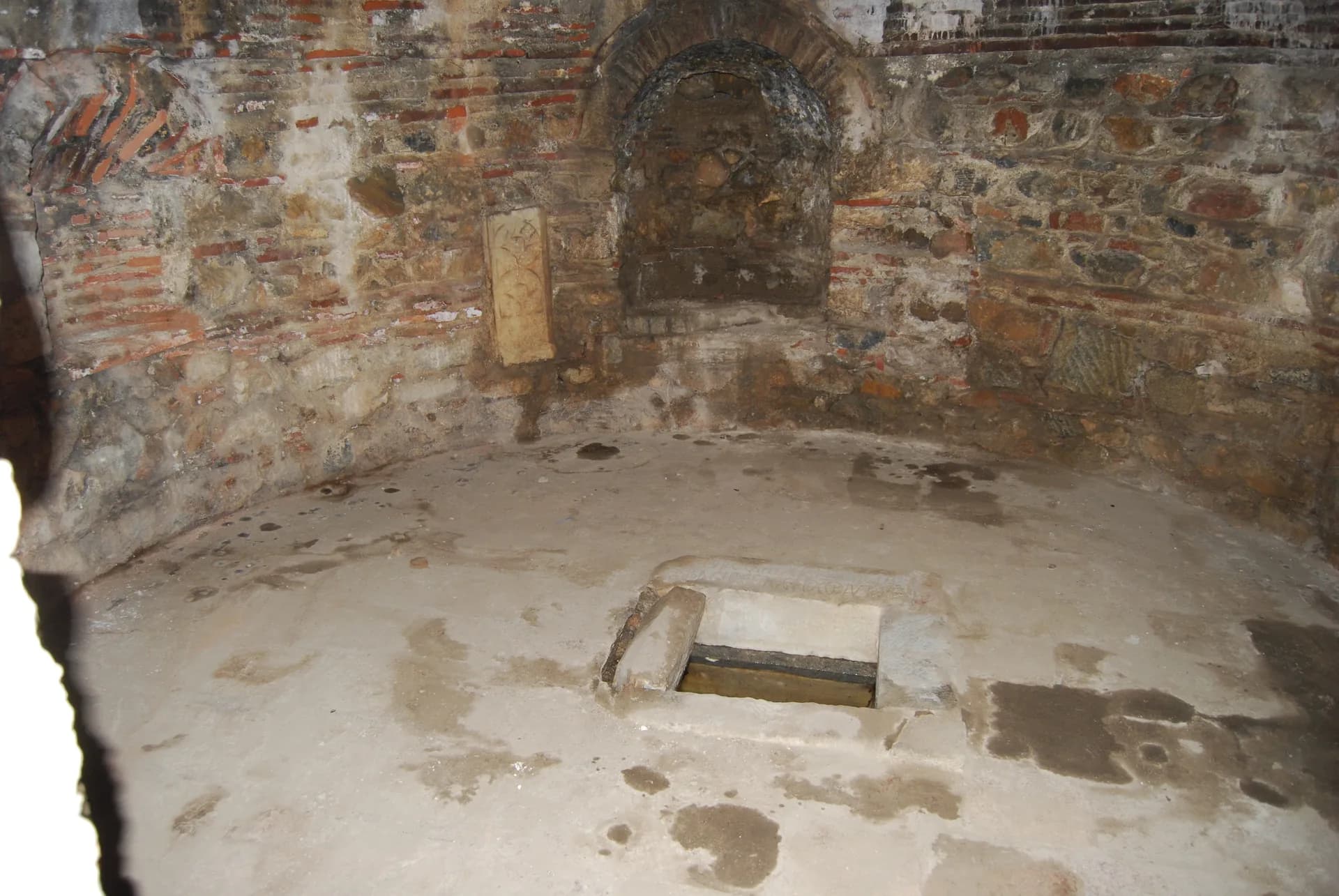
Ayazler is the places where water supply combines with sacredity, healing and visiting practice. The silk insecticidal and healing stories that are described in the vicinity of the insecticide indicate the layers of very local memory from the exact archaeological function.
Access conditions may vary in narrow or humid areas. Do not enter a closed section without permission; read the plan of the space without touching the water, plaster and wall surfaces and the structure relationship surrounding.
Water, Heat and Social Life in Bath
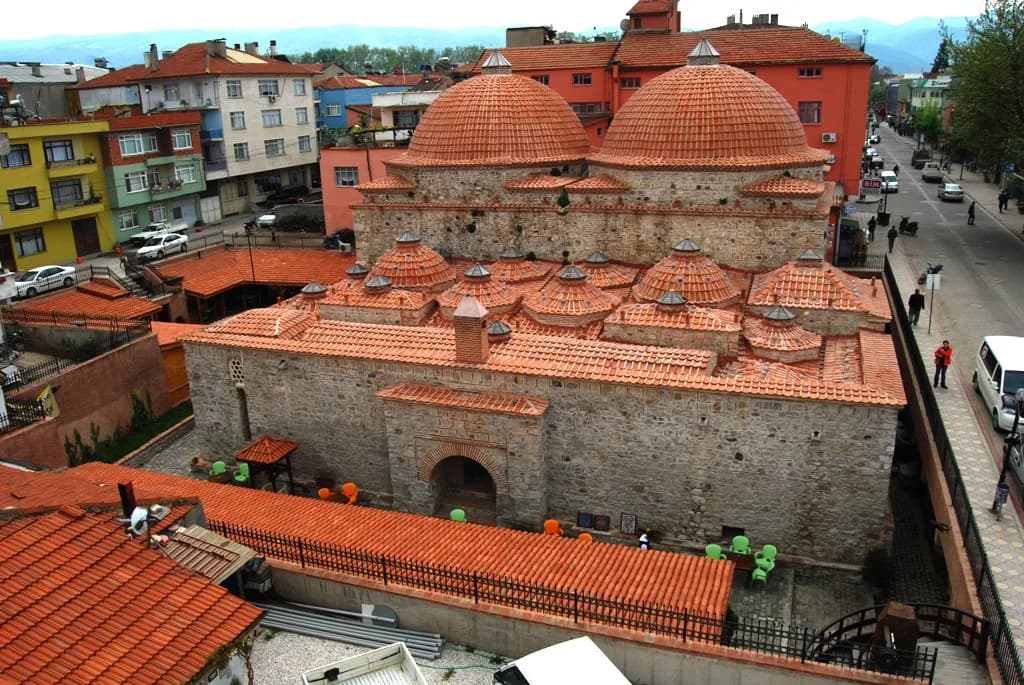
I. It is also necessary to wash water alone in structures such as Murat Bath, but also for the warming scheme of the space. The temperature produced in Ashhanda was transferred to different sections with spaces under the floor and wall channels.
It also organizes social encounter as much as the dressing, warmness and temperature sequence body. Don’t be enough to look at the dome while browsing the bath; consider the service areas, water tank and inter-site passages as part of the system.
Changing Coast on Lake Base
The basilica residue, which is open from the lake coast, indicates that the relationship between the water and the structure may change in time. It is important not to offer uncertain explanations as a result when taking research on why and when it is under water.
Finish the route in the field of navigation and observe the coastal line, the walls and the western direction of the city. Thus, you can read the water not only natural landscape, but as an active element that formats the infrastructure, faith world and archaeological protection of the city.
before setting off
- ◆Do not enter indoor areas in the ayazma and waterway residues.
- ◆Observe the limits of protection of lake base.
- ◆Evaluate the risk of slipping in rural areas after precipitation.
Continue reading