Iznik Roman Theatre: Visiting Hours, Architecture and Trace of Pliny
Archaeological secrets of the rare vaulted Roman theater built on a flat plain, gladiator games and travel guide in the excavation area.
In this article3
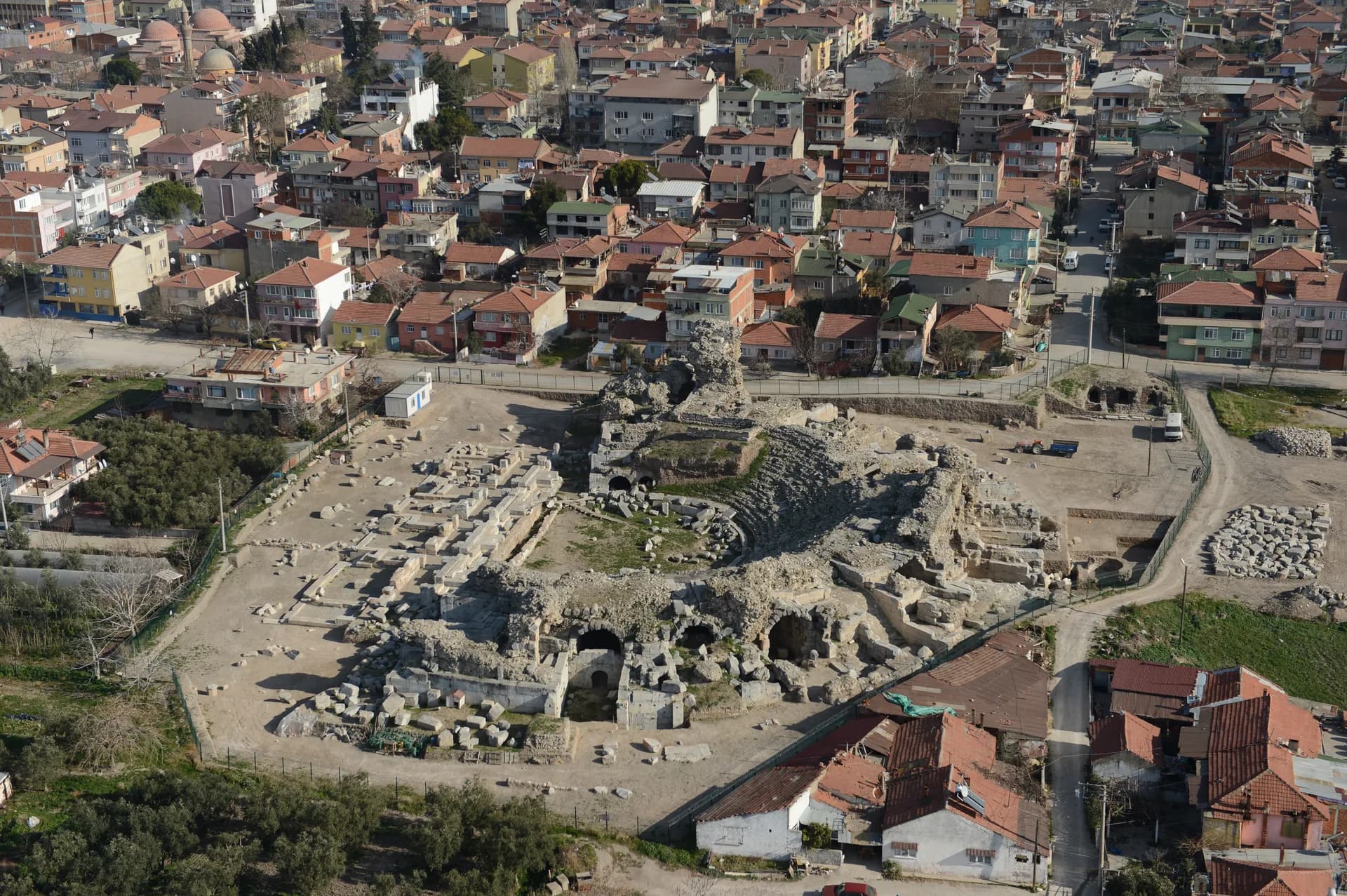
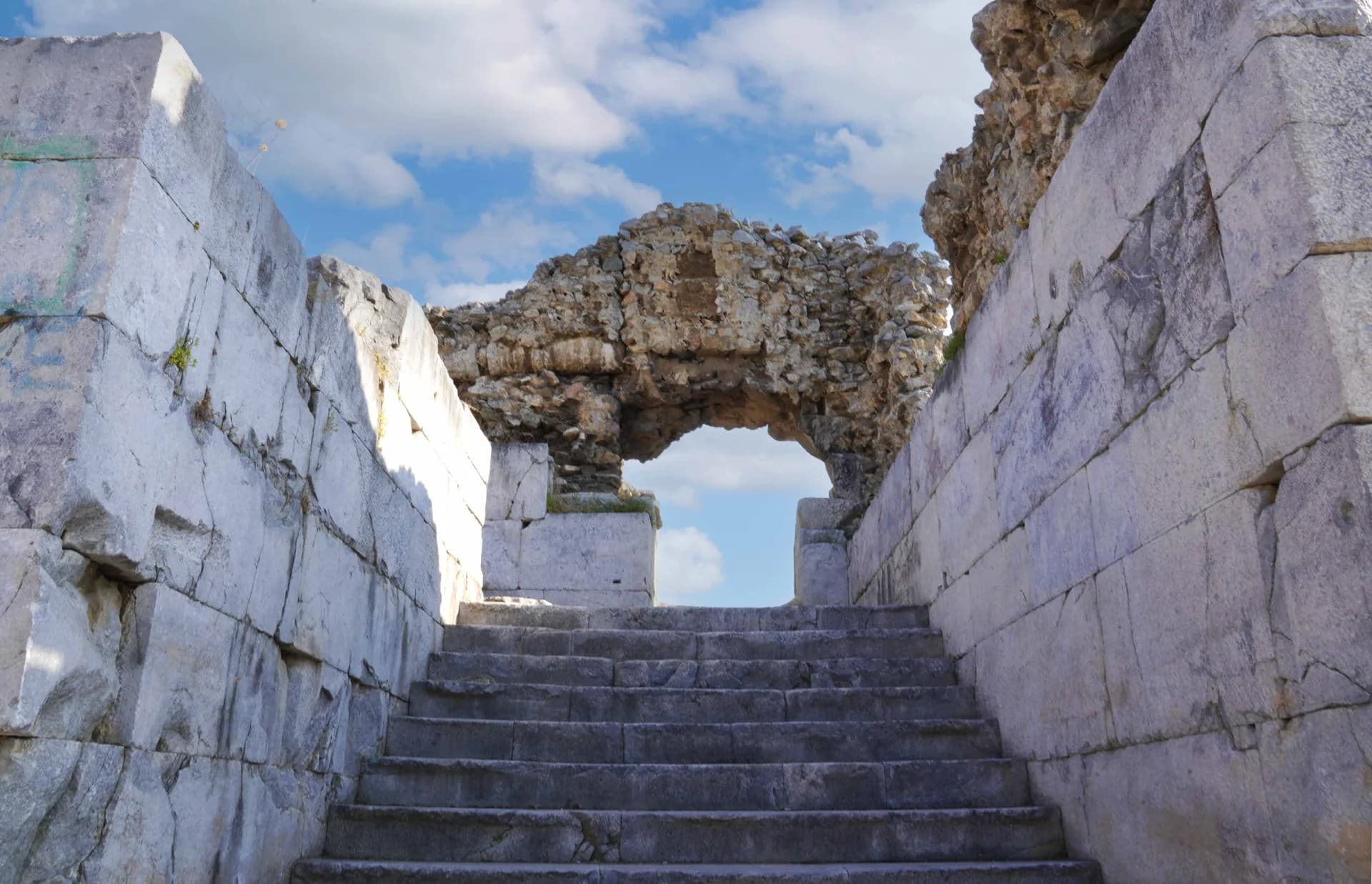
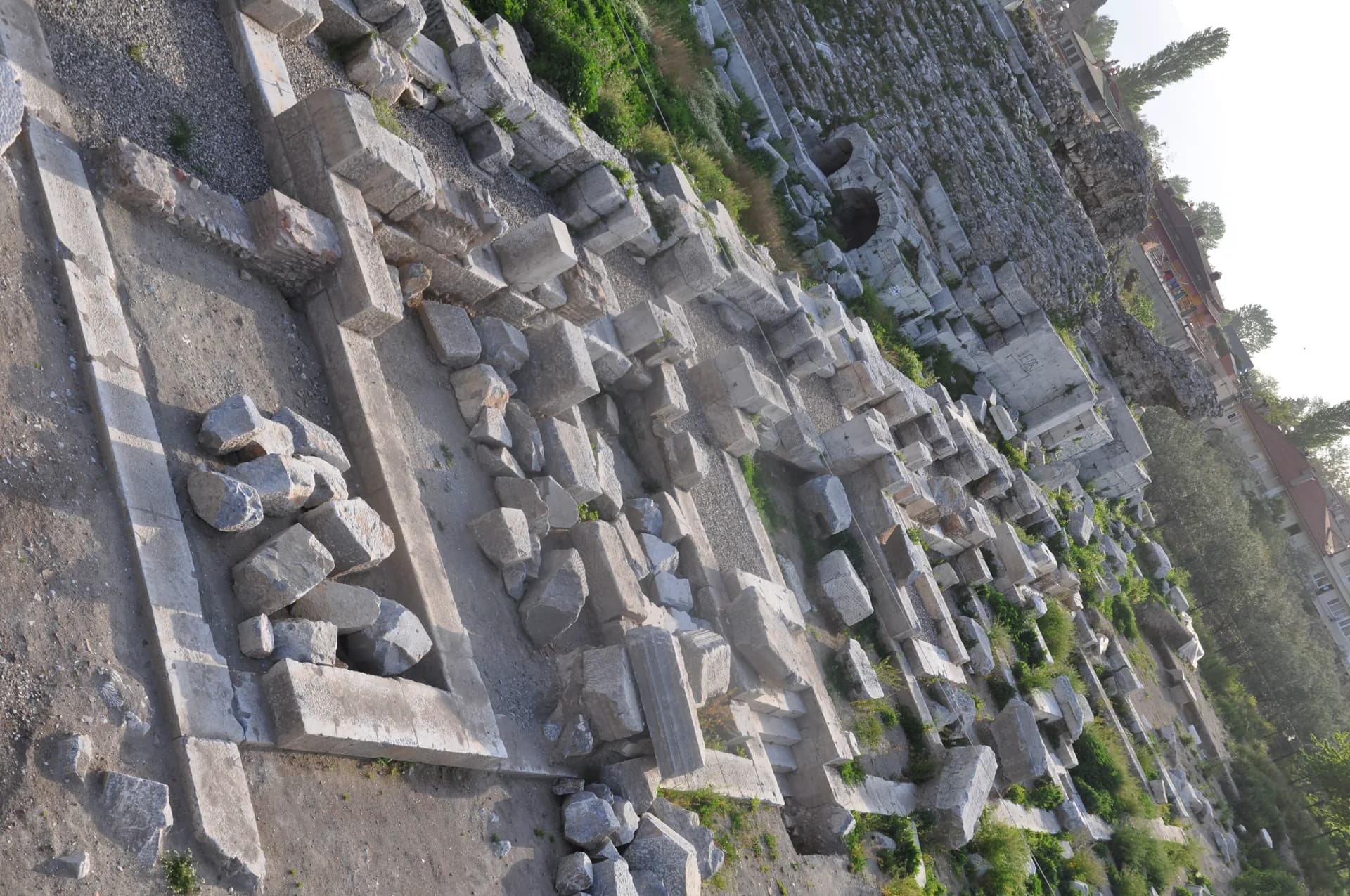
The majority of theaters built during the Roman Empire were built leaning on a natural mountain slope. Iznik Roman Theater is one of the rare monumental buildings in Anatolia that breaks this rule and rises on huge massive vaults and arches on a completely flat land.
The theater, which Pliny, Governor of Bithynia, mentioned in detail in his letters to Emperor Trajan, has now been restored with meticulous archaeological excavations and restoration works and is equipped with wooden walking platforms where visitors can visit safely.
Historical Background: Pliny's Letters to Trajan
Pliny the Younger, who served as the Governor of Bithynia in the early 2nd century AD, conveys the budget spent on the construction of the Iznik theater, the static stability of the vaults and the excitement of the people in his official letters to Rome.
The building, which symbolizes the regional power of Nikaia with its capacity of approximately 15,000 people, has been the scene of many shows in ancient times, from tragedies to gladiator and wild animal fights.
before setting off
- ◆You can read quotes from Pliny's letters on the archaeological information panels at the entrance of the theater.
Multi-Layered Use from Byzantium to Ottoman
Following the Roman period, the theater was used as a religious gathering place in the Christian era, and as a defense bastion and mass cemetery in the Byzantine period.
In the Ottoman period, Iznik tile kilns were established in the orchestra and stage pits of the theatre. Kiln ruins and tile shards unearthed during excavations document how the area evolved from a cultural hearth to a production workshop.
before setting off
- ◆Look carefully at the remains of tile kilns protected under glass casings at the excavation site.
Visiting Tips and Photo Spots
The steel and wooden walkways created in the restored area allow you to have a panoramic view of the cavea (seating rows), vaulted galleries and stage building ruins from above.
The shadows of the setting sun on the theater arches in the afternoon highlight all the details of the ancient stone texture and offer unique angles for photography enthusiasts.
before setting off
- ◆Museum card is valid; Wear sunglasses and a hat when walking outdoors during the summer.
- ◆There is ramp access for strollers and wheelchairs.
Continue reading