How to read this monument?
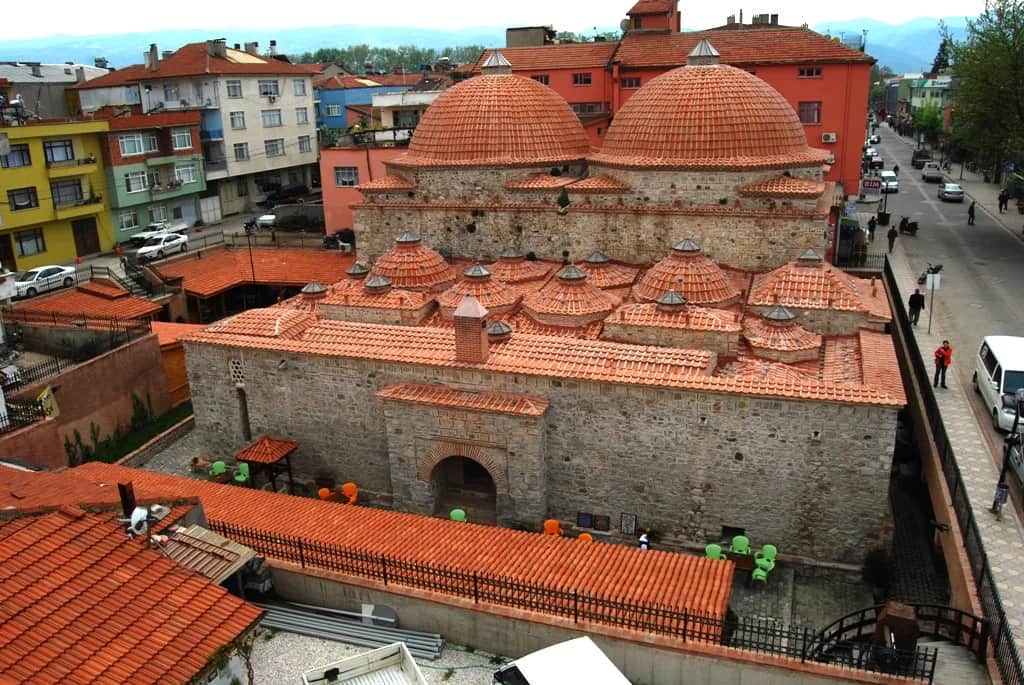
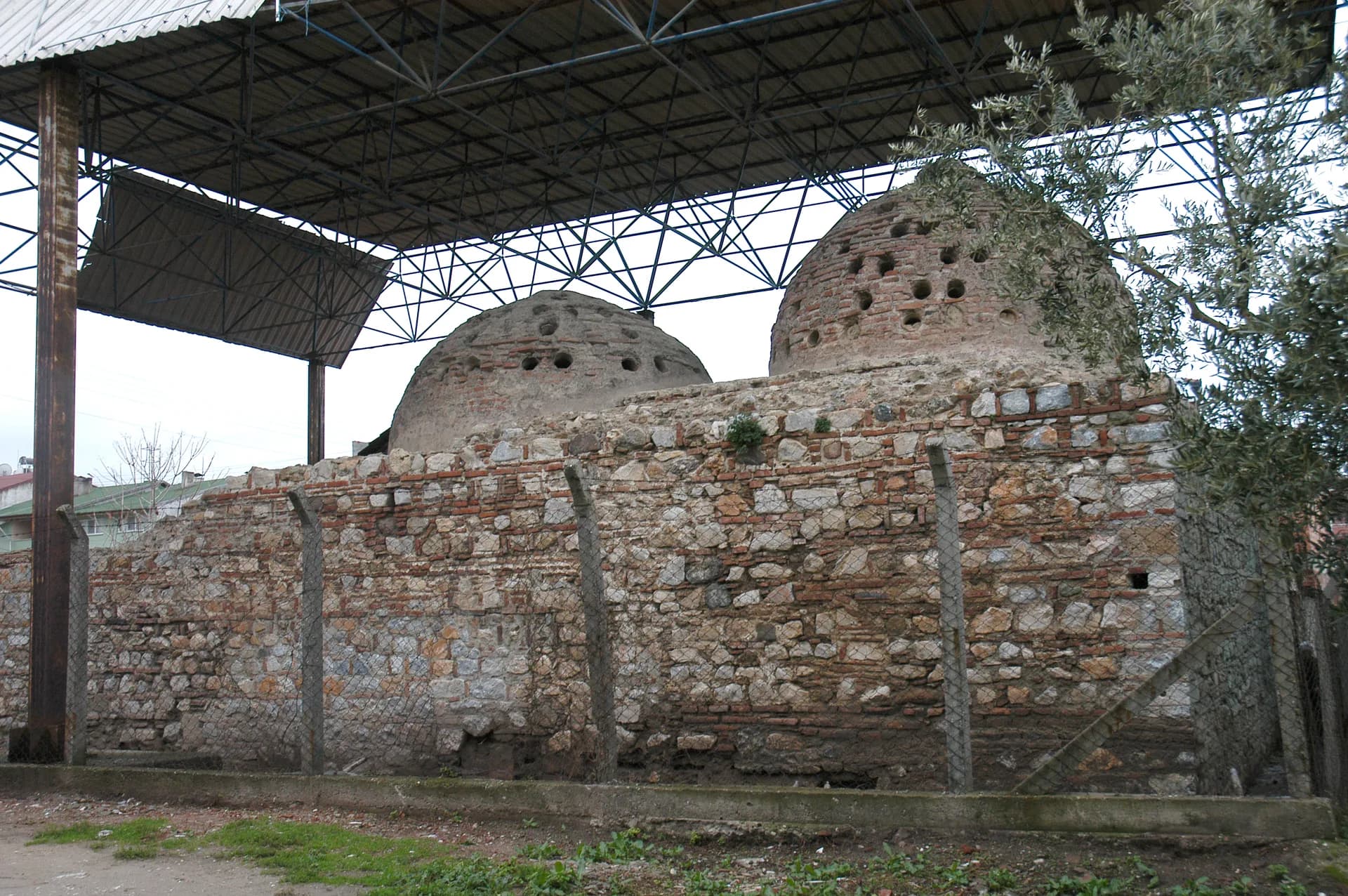
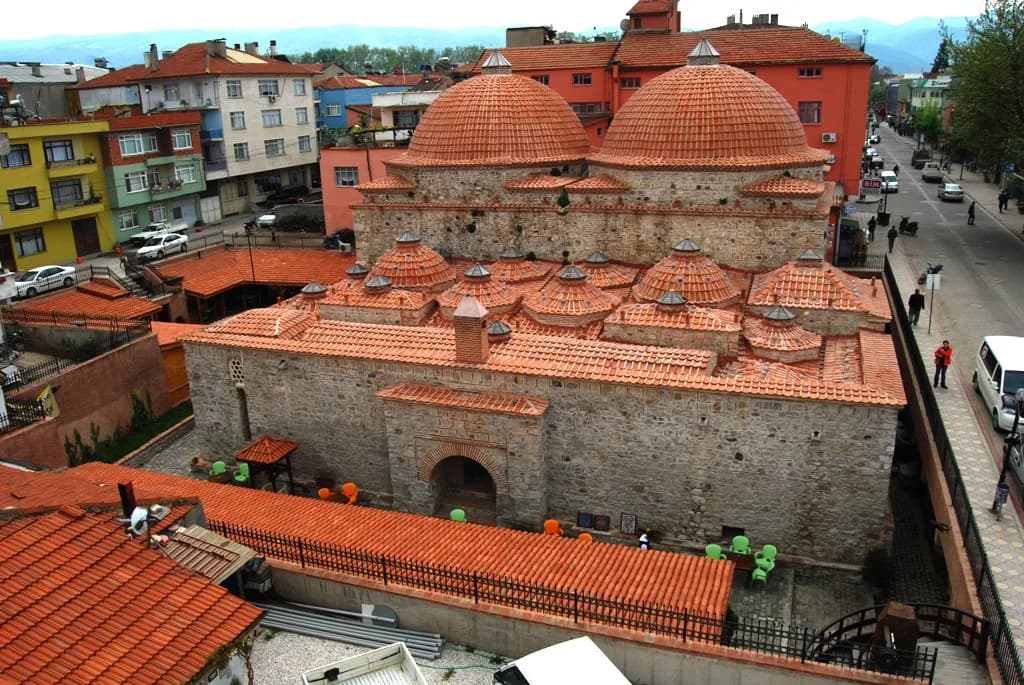
Murat I (Hacı Hamza) Bath is one of the earliest examples of Ottoman double bath architecture, built in the second half of the 14th century during the reign of Sultan Murad I Hüdavendigar. Structure; It has a domed vault cover system with changing rooms, warm and hot rooms. The women's and men's sections were designed symmetrically, and alternating stone and brick masonry techniques were used on the walls. The building, which has been restored today and serves as an Iznik tile and handicrafts exhibition area and cultural venue, welcomes its visitors with its historical texture.
Don't miss
Murat I (Hacı Hamza) Bath is one of the earliest examples of Ottoman double bath architecture, built in the second half of the 14th century during the reign of Sultan Murad I Hüdavendigar.
Structure; It has a domed vault cover system with changing rooms, warm and hot rooms. The women's and men's sections were designed symmetrically, and alternating stone and brick masonry techniques were used on the walls.
The building, which has been restored today and serves as an Iznik tile and handicrafts exhibition area and cultural venue, welcomes its visitors with its historical texture.
historical background
Murat I (Hacı Hamza) Bath is one of the earliest examples of Ottoman double bath architecture, built in the second half of the 14th century during the reign of Sultan Murad I Hüdavendigar.
Structure; It has a domed vault cover system with changing rooms, warm and hot rooms. The women's and men's sections were designed symmetrically, and alternating stone and brick masonry techniques were used on the walls.
The building, which has been restored today and serves as an Iznik tile and handicrafts exhibition area and cultural venue, welcomes its visitors with its historical texture.
Local image archive