How to read this monument?
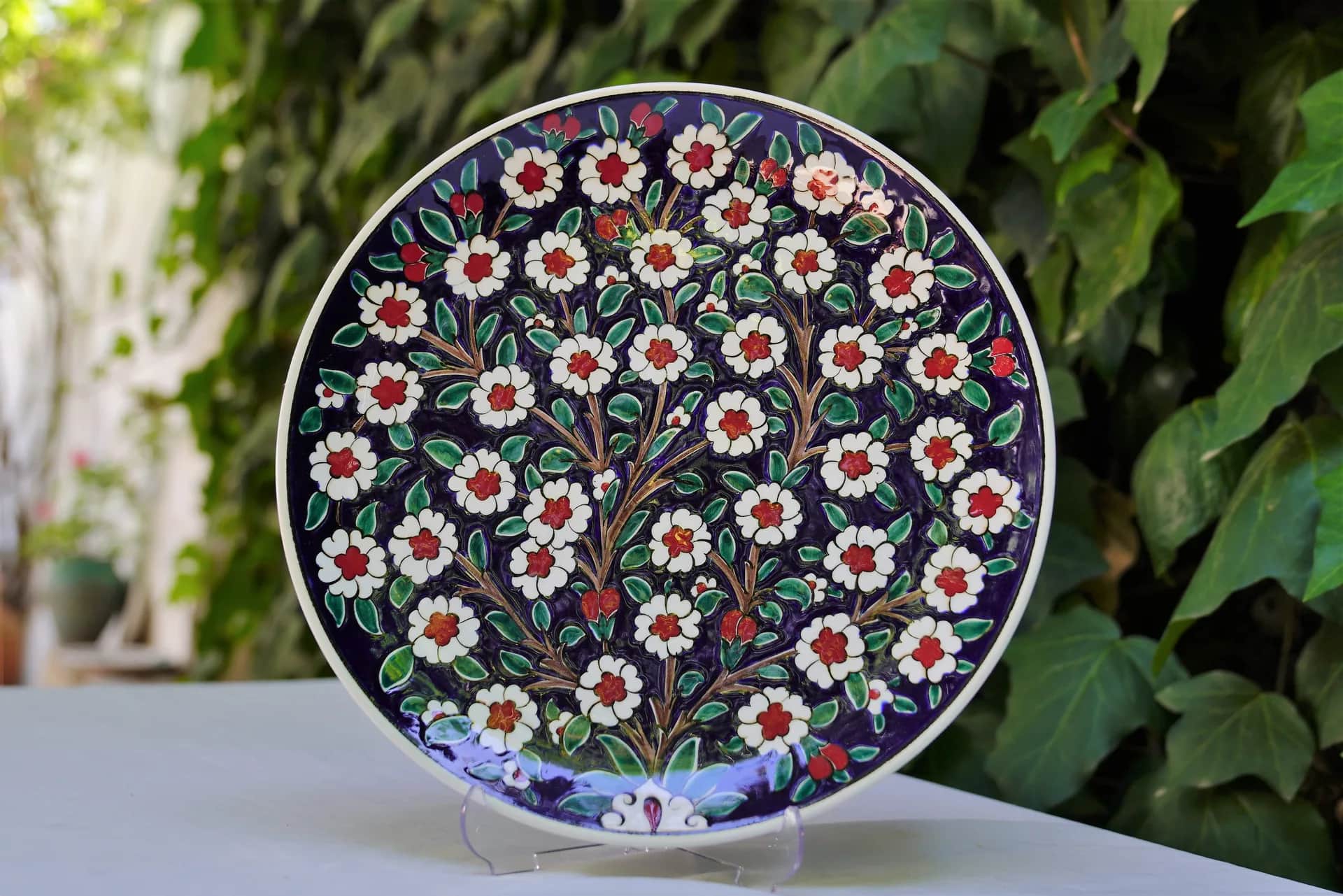
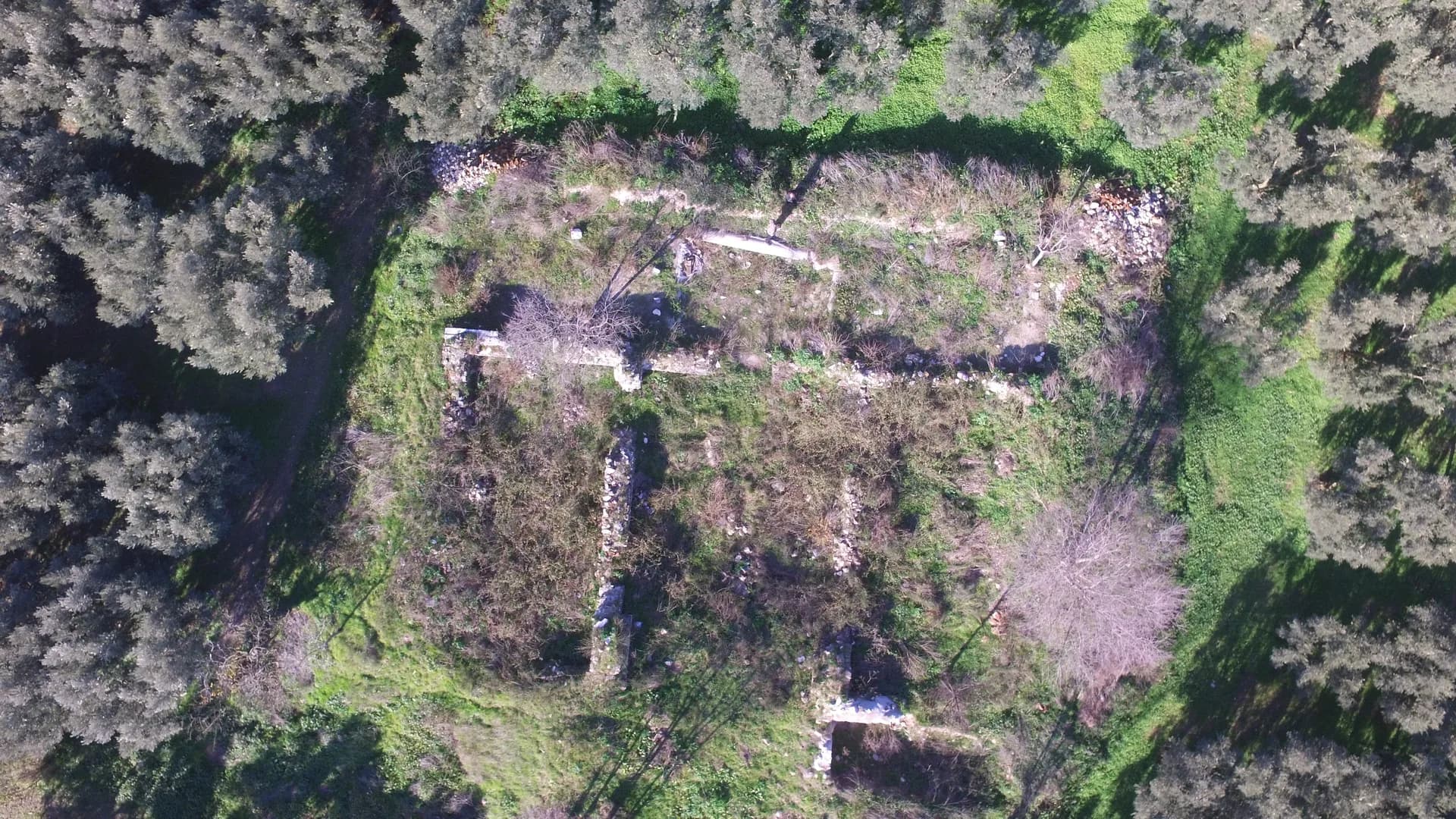
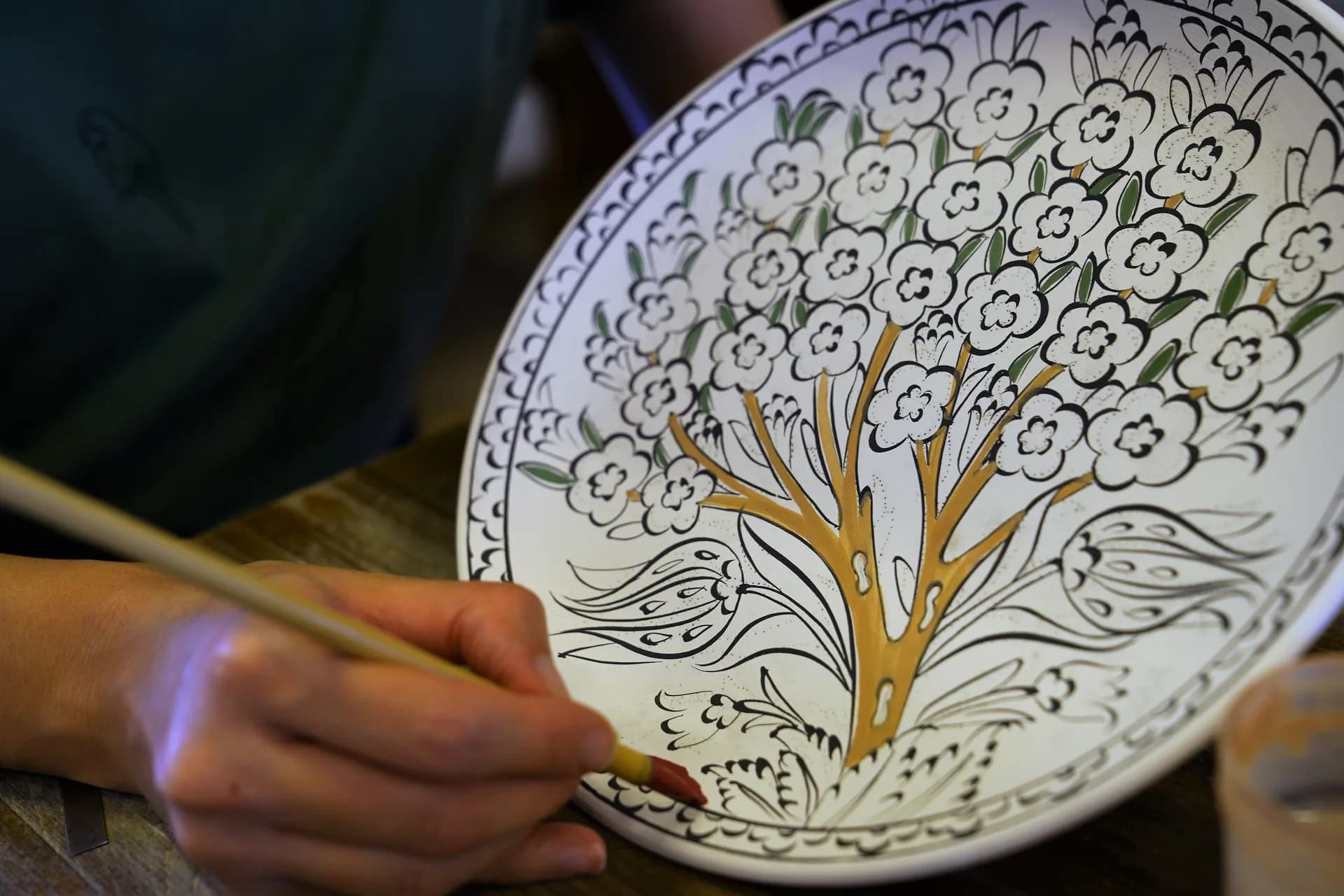
Tile Kilns area, Iznik's 15th-17th century. It contains archaeological evidence of ceramic production, which gained global fame in the centuries. Plates, oil lamps and wall tiles produced for palaces and monumental buildings were shaped in specialized workshops here. Furnace parts, faults and material residues tell a more direct production story than the finished work.
Don't miss
Examine the function of furnace bases and firing sections in the production process.
Improperly baked pieces indicate the masters' testing and quality control methods.
Consider the urban location of the workshops, close to water, fuel and trade routes.
Compare the finished samples in the museum with the production residues at the excavation site.
historical background
Excavations of the Tile Kilns around the Nilüfer Hatun Imaret reveal one of the intensive ceramic production areas of Iznik between the 15th and 17th centuries.
Prof. Dr. In the studies started under the leadership of Oktay Aslanapa, oven ruins, tripods, faulty biscuit pieces and glaze tests were found. These materials allow a more detailed reading of the production chain from finished works.
Today, it hosts tile enthusiasts as an active archaeological excavation and open-air exhibition museum.
Local image archive