Iznik Tile Kilns Excavation Site and Archeopark Guide
The excavation story and archaeological findings of the historical underground furnaces that produced tiles for the Ottoman palaces between the 14th and 17th centuries.
In this article2
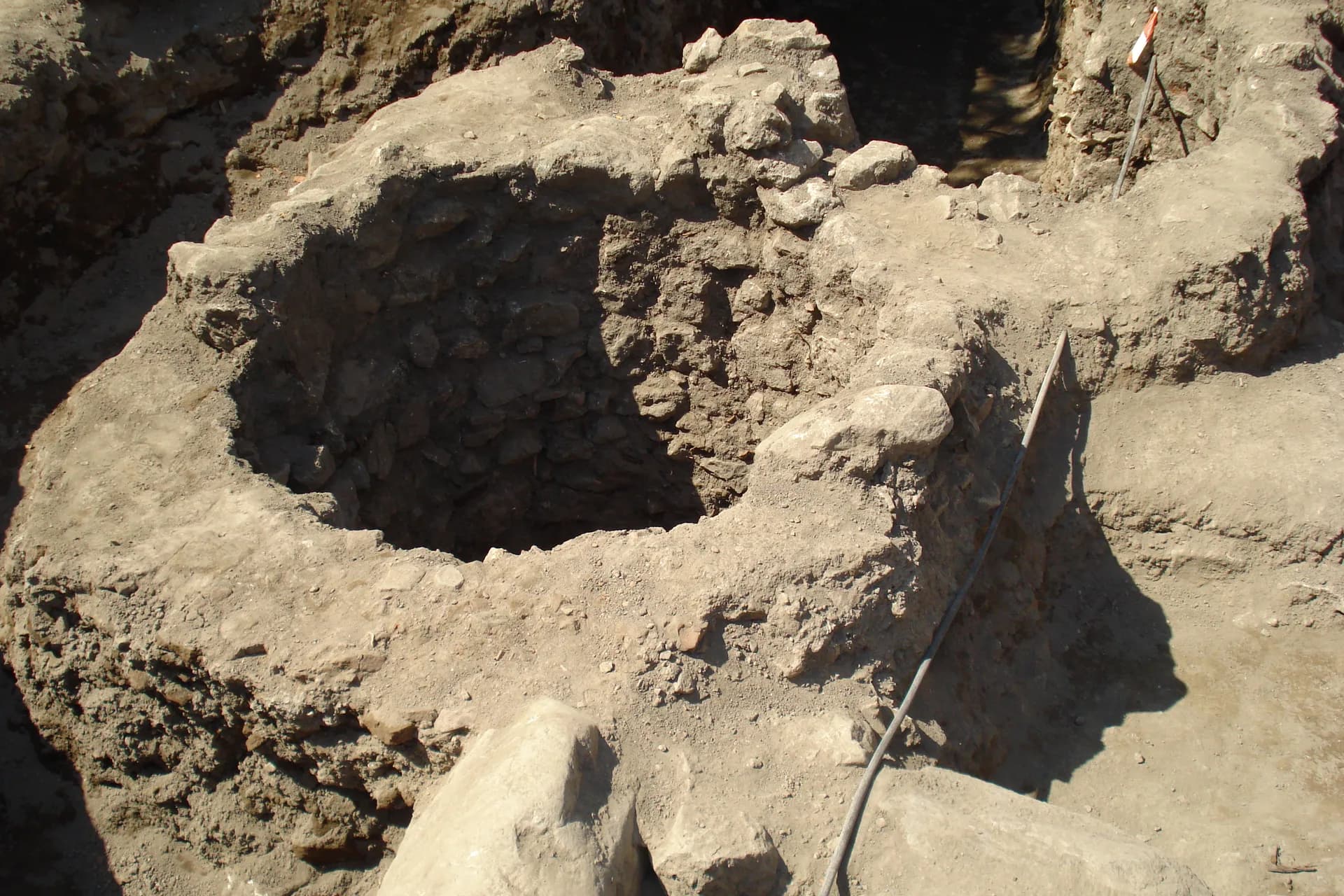
Exactly where and in which kilns were the priceless Iznik tiles, exhibited in the corners of the world's most prestigious museums today, fired? The answer to this question lies in the Iznik Tile Kilns Excavation Area, which is located just south of Nilüfer Hatun Imaret and has been carried out uninterruptedly since the 1980s.
Prof. Dr. Oktay Aslanapa and then Prof. Dr. Scientific excavations carried out under the leadership of Ara Altun have unearthed dozens of underground domed ovens, cooking pots and thousands of unique ceramic tiles from the Ottoman period that were buried because they were fired incorrectly.
Underground Oven Architecture and Baking Technology
The furnaces you can see in the excavation area were built of bricks, dug below ground level to prevent heat loss and reach high temperatures of 900-1000 degrees.
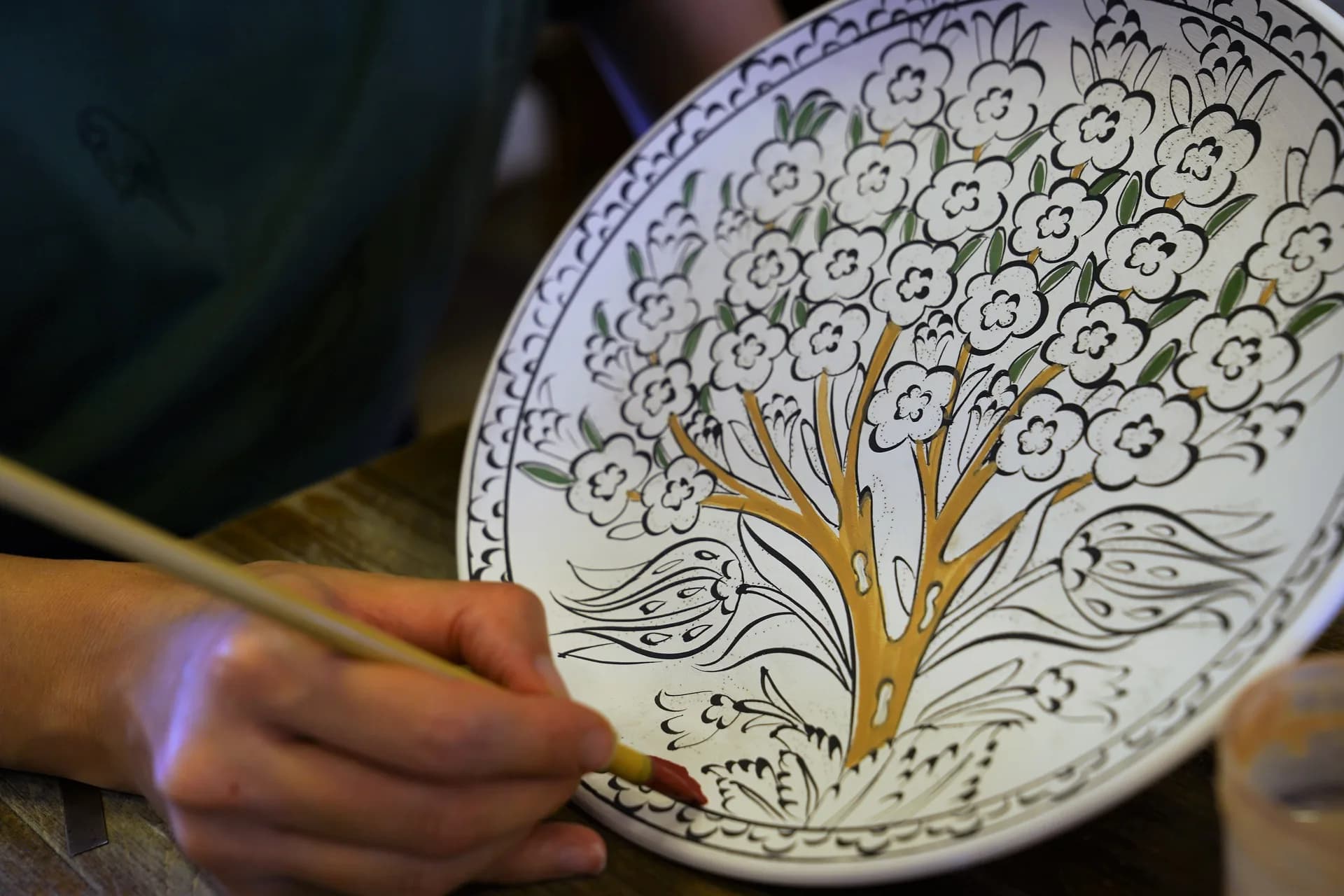
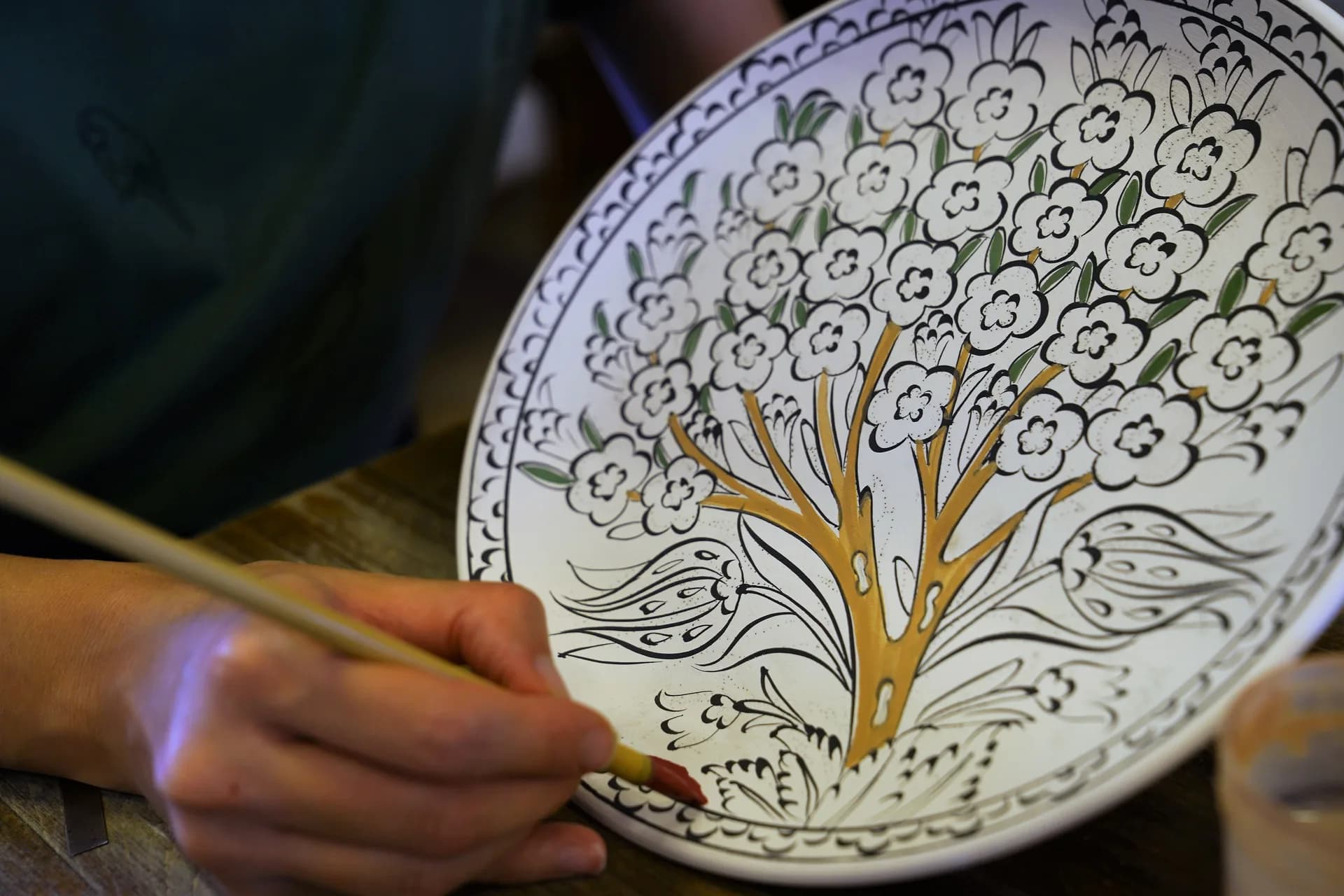
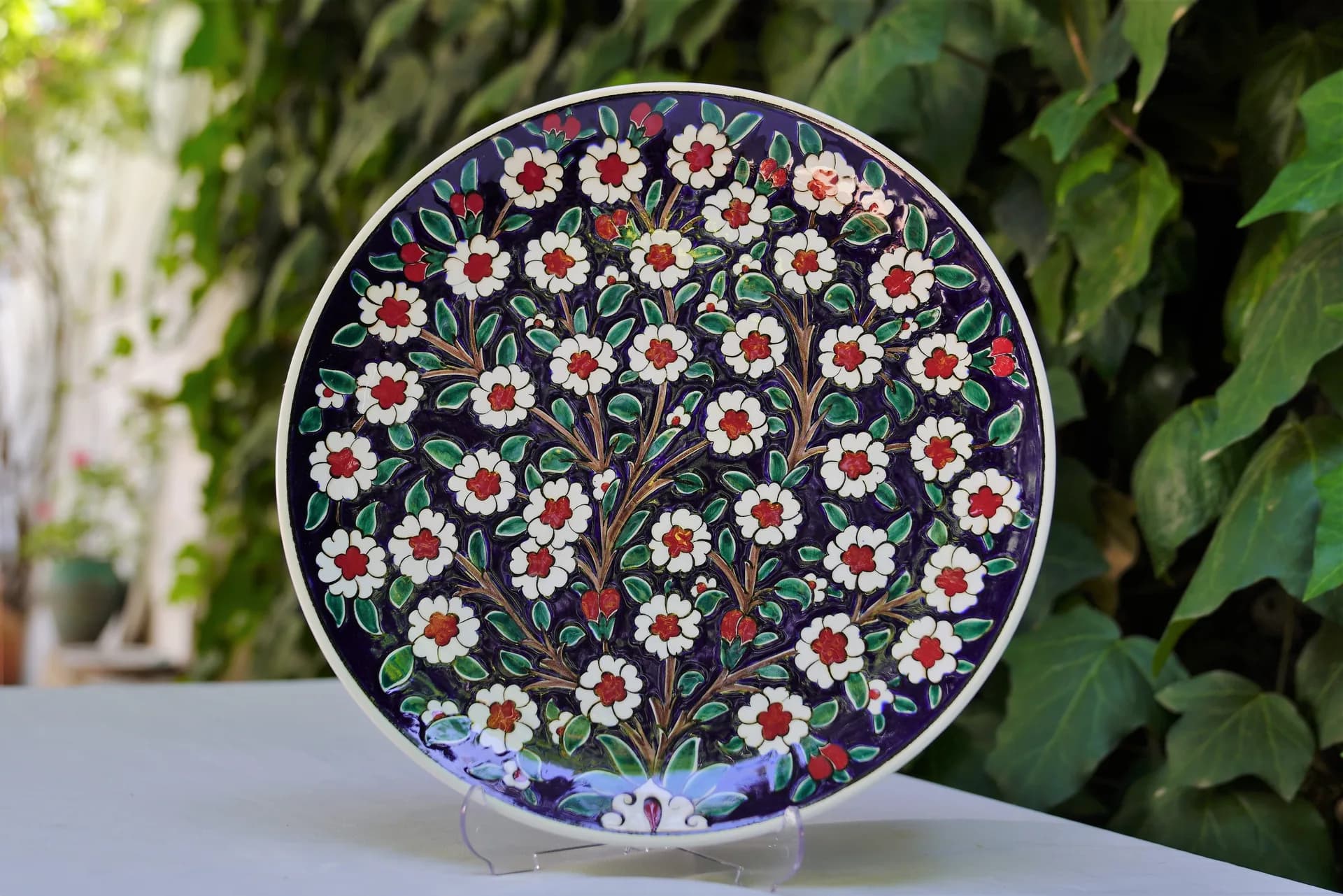
This architecture, consisting of a fire pit, grill base and cooking dome, represents a high level of technological knowledge in the underglaze painting technique, which enables the colors to merge with the glaze without bleeding or becoming dull.
before setting off
- ◆You can clearly photograph the inner chambers of the furnaces from the elevated walking scaffolding around the excavation area.
Art History Read from Broken Pieces
Dishes with glaze leakage, deformed cups and furnace adhesions found during the excavations have given art historians the opportunity to understand the production stages step by step.
Thanks to the finds unearthed here, it has been definitively proven that all ceramics from different periods were actually produced in Iznik kilns.
before setting off
- ◆Examine the rarest examples of oven finds at the adjacent Nilüfer Hatun Imaret Turkish-Islamic Arts Museum.
Continue reading