Nilüfer Hatun Imaret Visit Guide: From Early Ottoman Soup Kitchen to Museum
Examination of the Museum of Turkish Islamic Arts, an inverted T-planned monument of elegance built in 1388 in the name of Orhan Gazi's wife, Nilüfer Hatun.
In this article2
Nilüfer Hatun Imaret, built in 1388 by Sultan Murad I in memory of his mother Nilüfer Hatun, is the most magnificent structure of the Early Ottoman architecture in the reverse T plan type. It has served as a foundation soup kitchen, distributing hot soup to the poor, dervishes and travelers for centuries.
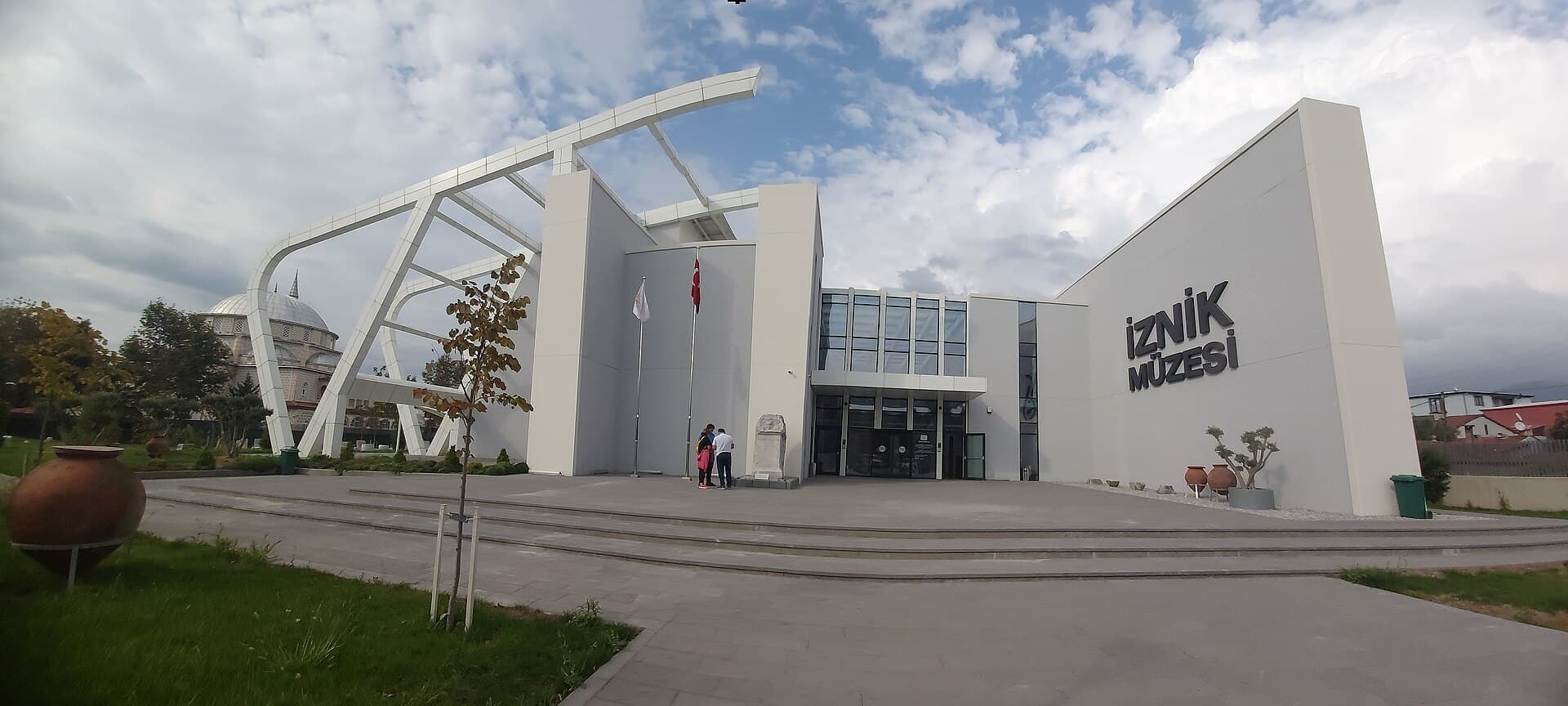
The building, which was restored during the Republican period and opened to visitors as the Iznik Turkish-Islamic Arts Museum, is the cultural center of the city with its rich brick workmanship in its domes and vaults and with its rare tiles, coins and ethnographic works on display.

Architectural Mastery: Domes, Vaults and Brick Art
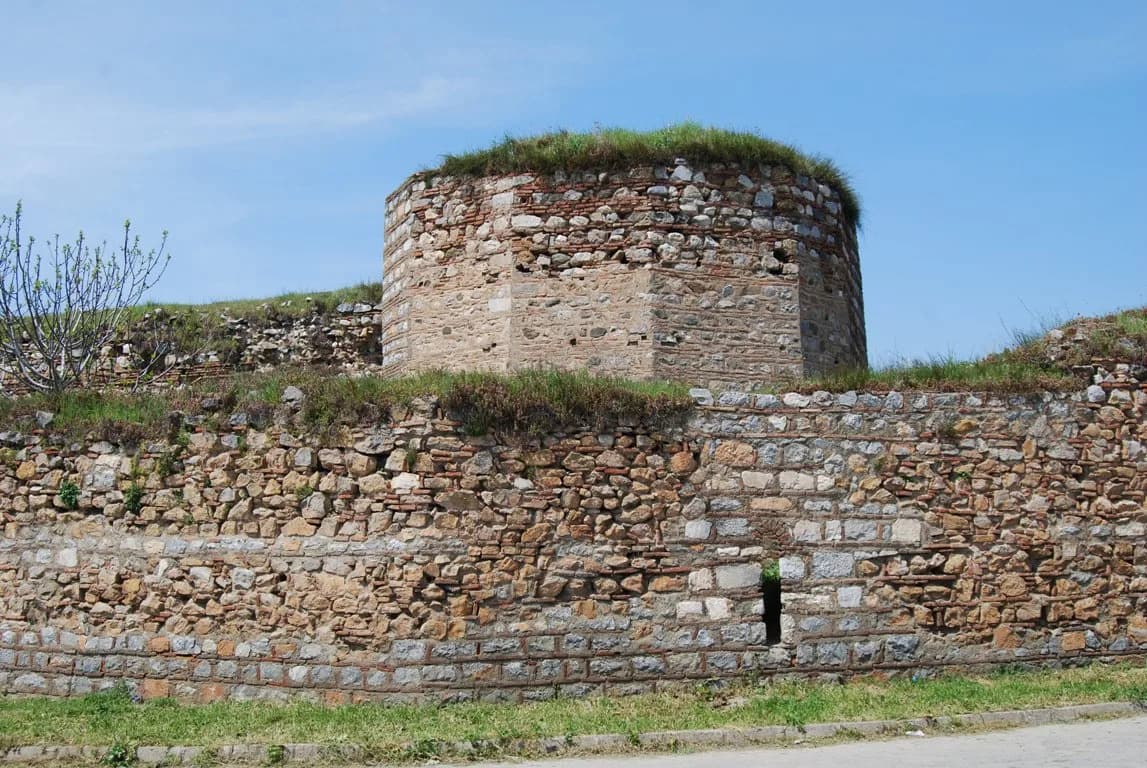
The five-eyed portico at the entrance of the building welcomes the visitor with its pointed arches and alternating stone-brick masonry. When you enter the main space, two large domes following each other and the vaulted spaces on the sides create a feeling of spacious volume.
The muqarnas passages and brick arrangements on the drums of the domes reflect the high aesthetics of the 14th century Ottoman masters in geometry and decoration.
before setting off
- ◆The interior lighting is dim, so train your eyes to see the brick passages inside the dome.
What's in the Museum Collection?
In the museum, plates, vases, oil lamps and tile pieces representing the golden age of Iznik tiles between the 14th and 17th centuries are exhibited chronologically.
It also offers a rich selection of calligraphy plates from the Ottoman period, manuscripts of the Holy Quran, silver jewelry, swords and early Islamic coins found in the Iznik excavations.
before setting off
- ◆Be sure to find the 16th century tile panel, where coral red is most vividly applied, in the display case.

Continue reading