How to read this monument?
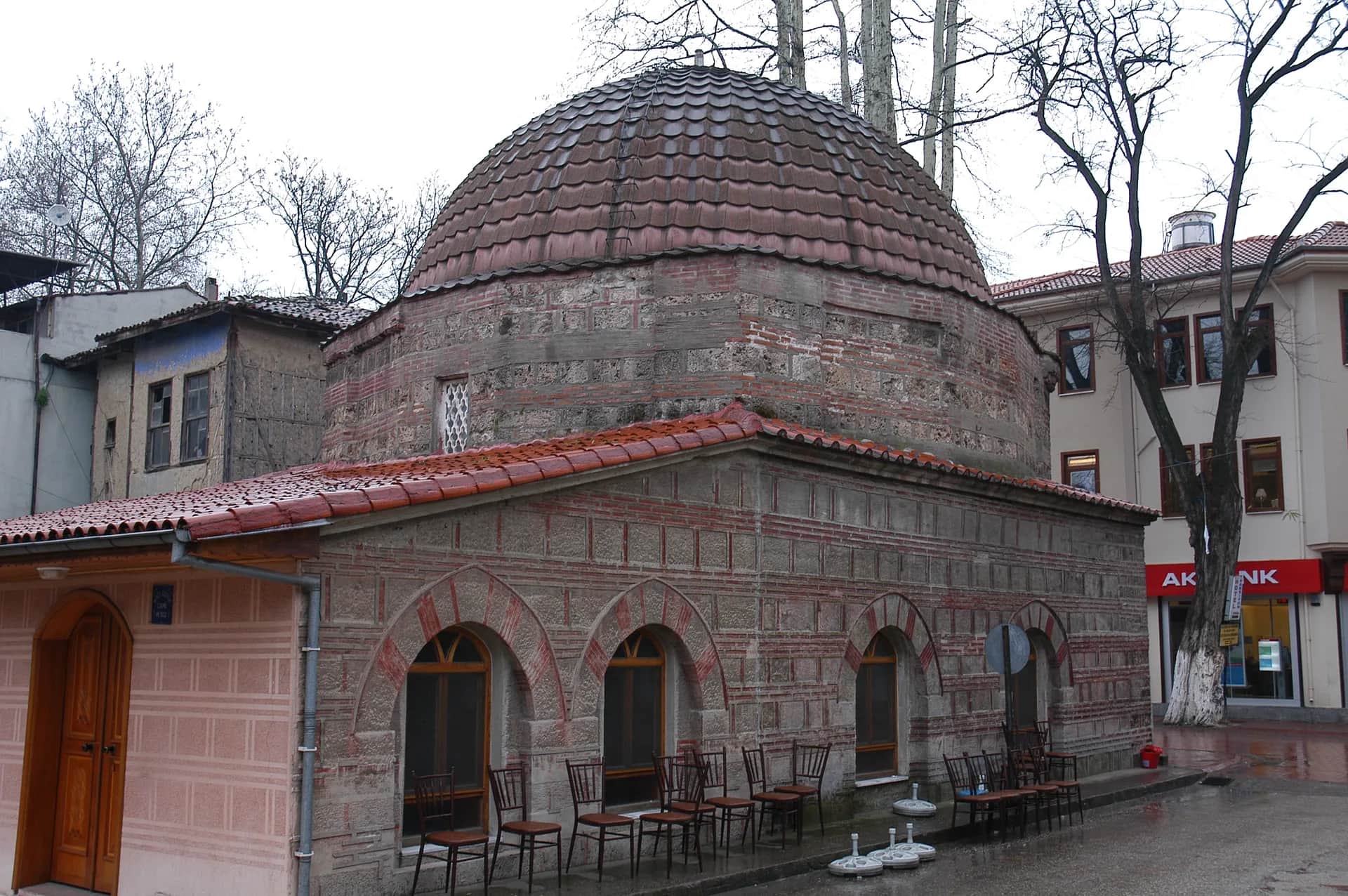
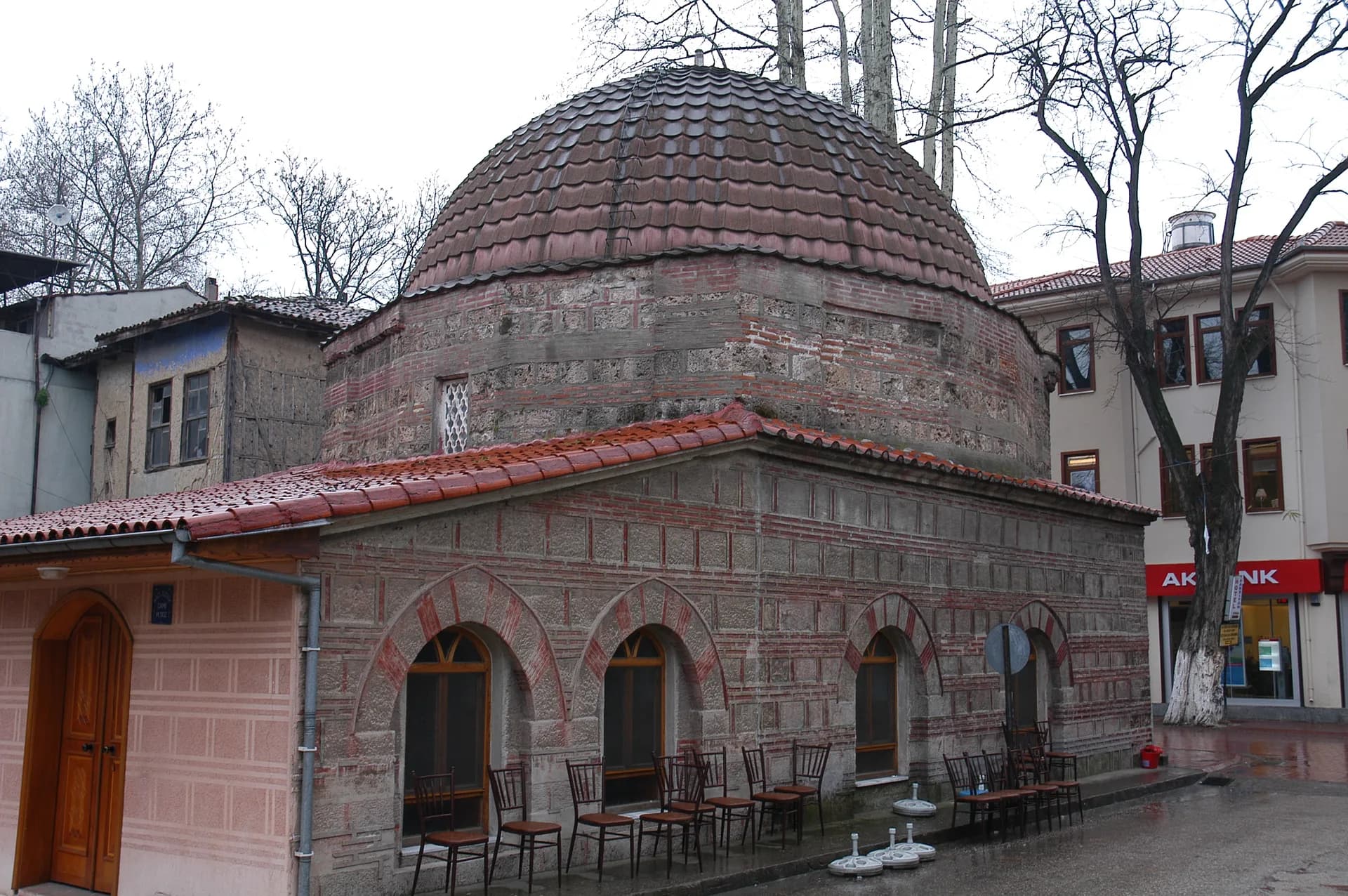
Hacı Özbek Mosque, dated 1333, is one of the earliest Ottoman mosques whose inscription has survived to the present day. Despite its small scale, its dome covering the square space and its stone-brick alternating pattern clearly show the trials and searches of the newly established Ottoman architecture. The value of the building comes not from its magnificence, but from its place in chronology.
Don't miss
Examine the rhythm that the brick lines between the rows of stones give to the facade.
Look at the solution for transition from square plan to dome in the interior.
The inscription is the most important element that directly documents the history of the building.
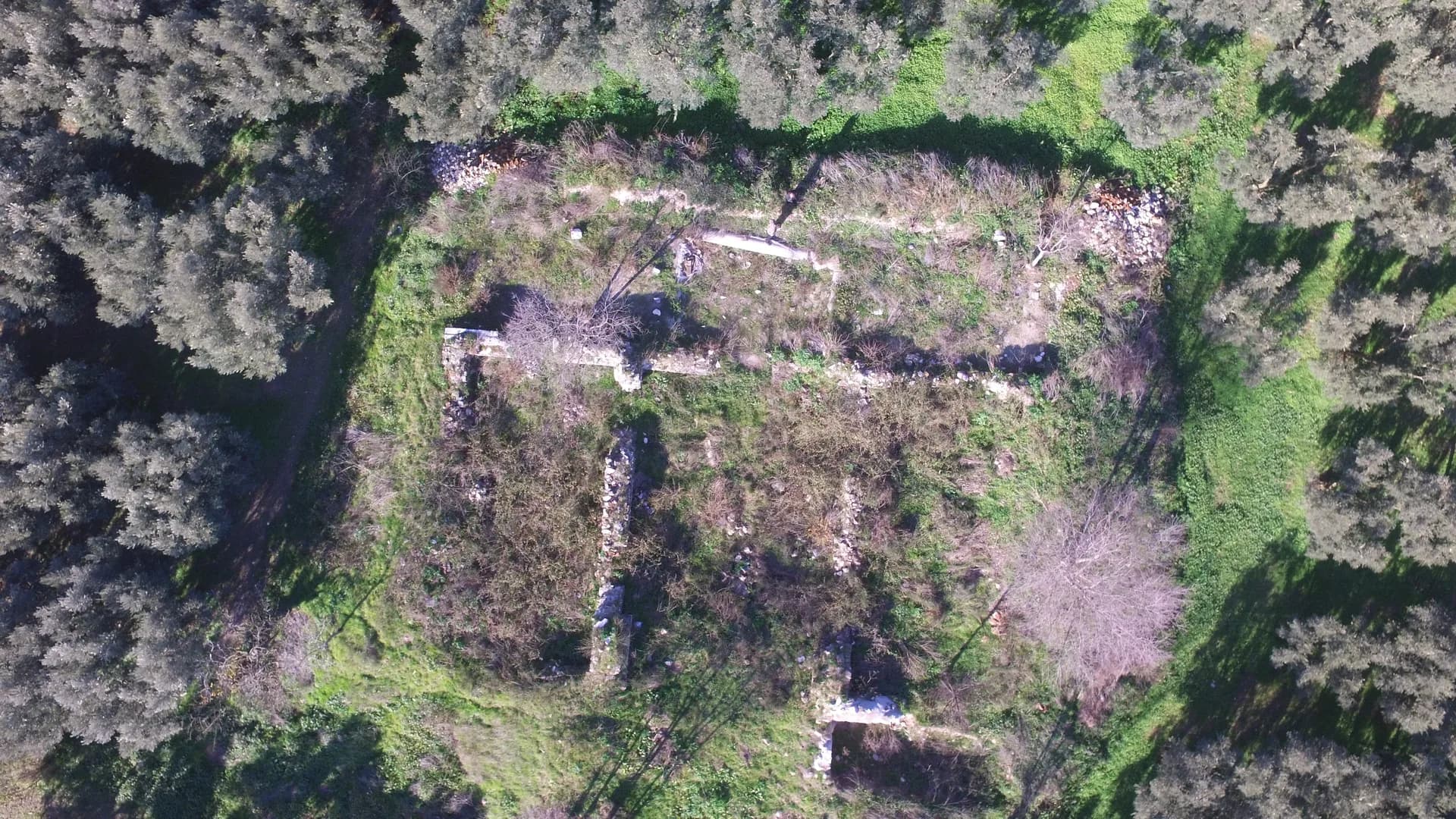
Imagine the last congregation place, which was lost due to road regulations, on the old plan.
historical background
Hacı Özbek Mosque (Çarşı Mosque) was built by Hacı Özbek bin Muhammed in 1333, immediately after the conquest of Iznik.
It represents the core form of Ottoman architecture with its single-domed square planned structure and stone-brick masonry.
The marble inscription on it dated 734 (1333) is the oldest dated inscription in the history of Ottoman architecture.
Local image archive