Iznik Hagia Sophia (Orhan Mosque): Architectural Guide from Council History to Worship
The central monument of the city where the 7th Ecumenical Council was held in 787, converted into a mosque by Orhan Gazi and touched by Mimar Sinan.
In this article3
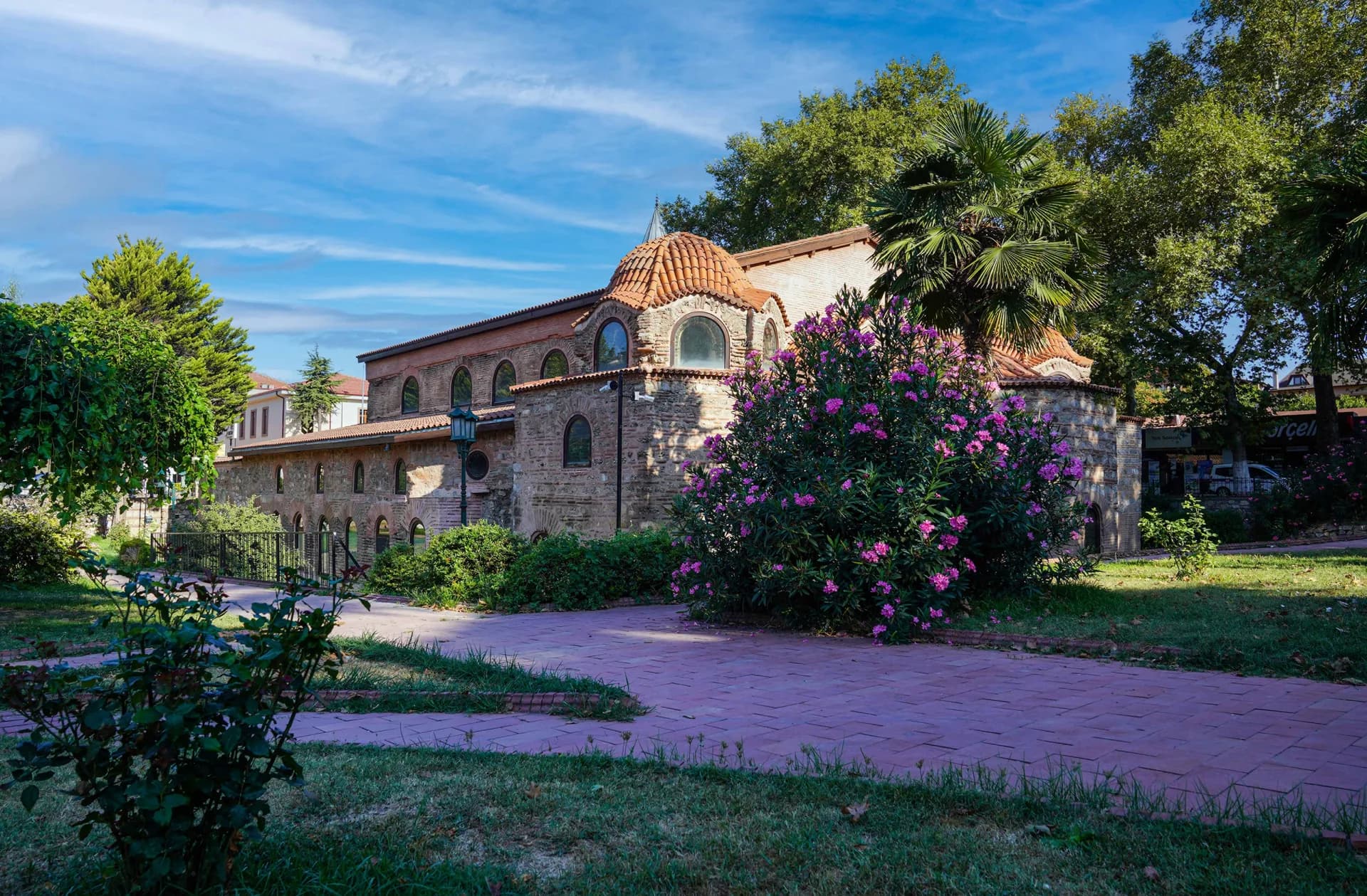
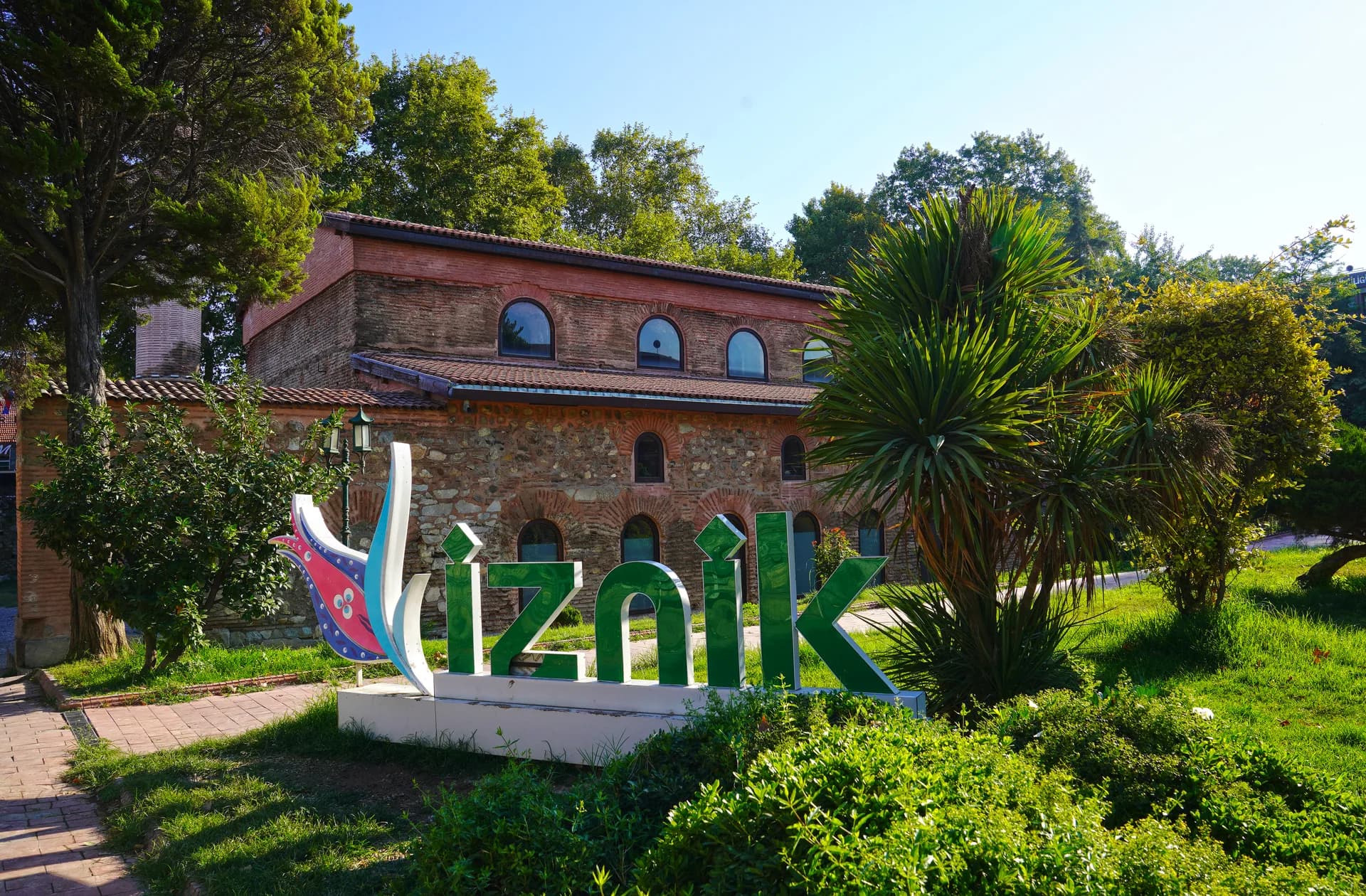
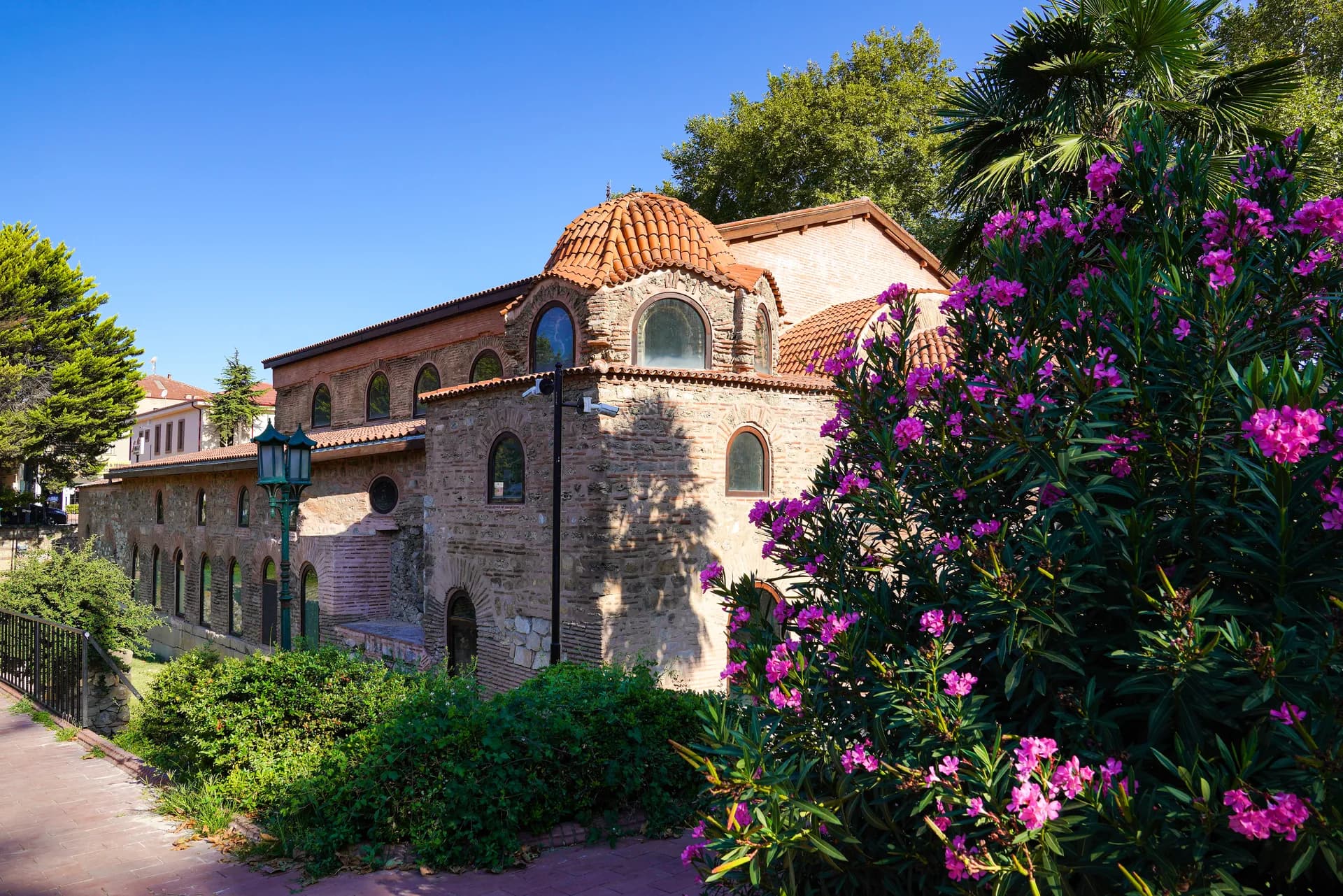
Located at the very center of the Iznik city plan, at the intersection of two monumental streets where four gates from the Roman period open, Hagia Sophia (Orhan Mosque) is one of the most important buildings in the world history of faith and architecture. First built on a basilica plan in the 4th century, the building has been the religious and administrative heart of the city for centuries.
In 787, the 7th Ecumenical Council, which put an end to the iconoclasm movement in the Christian world, was held within these walls; After the conquest of the city by the Ottomans in 1331, it was converted into a mosque by Orhan Gazi as a symbol of the conquest.
The Place Where History Intersects: The 7th Council and the Triumph of Icons
More than 300 bishops attended the 7th Ecumenical Council, which convened in September and October 787. In the council, it was decided that the icons should be remembered with respect, not their sanctity, thus ending the centuries-old internal conflicts.
Since it is the last universal council accepted by Christian denominations, Iznik Hagia Sophia is still a sacred visit stop for cultural and faith travelers from all over the world.
before setting off
- ◆To feel the acoustics of the middle nave, where council meetings were held, stand in front of the apse and listen to the structure.
Architect Sinan's Touch and Ottoman Transformation
The subtleties of Turkish architecture were added to the building, which was repaired by the great master Mimar Sinan after a fire during the reign of Suleiman the Magnificent in the 16th century.
Sinan placed pointed arches, a mihrab niche and brick beams that strengthen the acoustics inside the building; By adding an elegant minaret to the northwest corner, he both strengthened the building and gave it its new identity.
before setting off
- ◆Pay attention to the stone workmanship of the altar and the alternating weave transitions on the walls.
Opus Sectile Floor Mosaics and Wall Frescoes
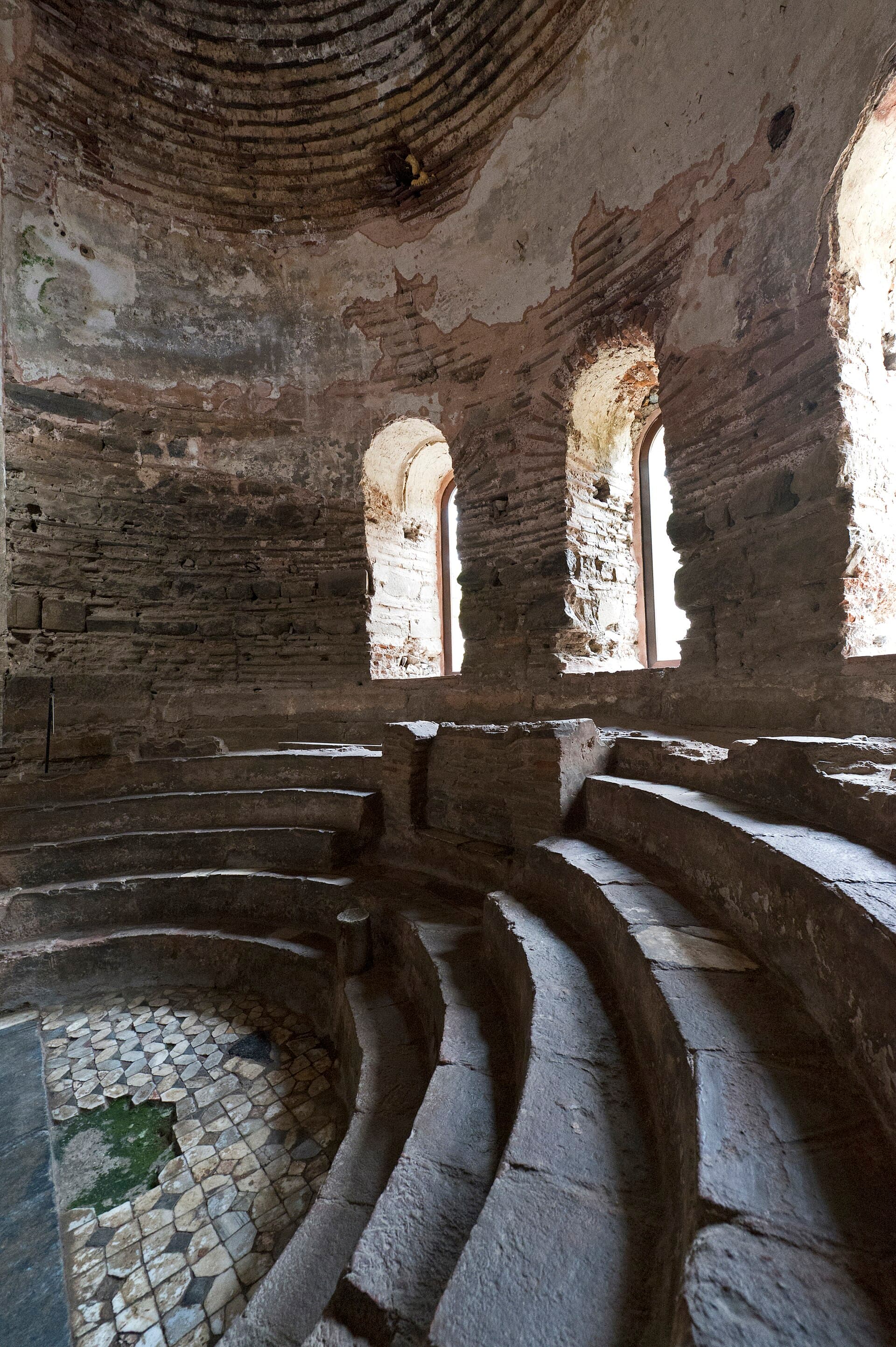
The 'opus sectile' floor covering in the chapel section on the south side of the mosque, made by cutting and arranging colored marble and stone pieces in geometric patterns, is a masterpiece of Byzantine stonemasonry.
Additionally, there are some preserved Hz. The remains of frescoes depicting Jesus and Mary and the tomb niches clearly reveal the layered soul of the building.
before setting off
- ◆To protect the floor mosaics, pay attention to the glass protected sections that are prohibited from being stepped on.
- ◆Photography is allowed outside of worship hours; It is requested not to use flash.
Continue reading