How to read this monument?
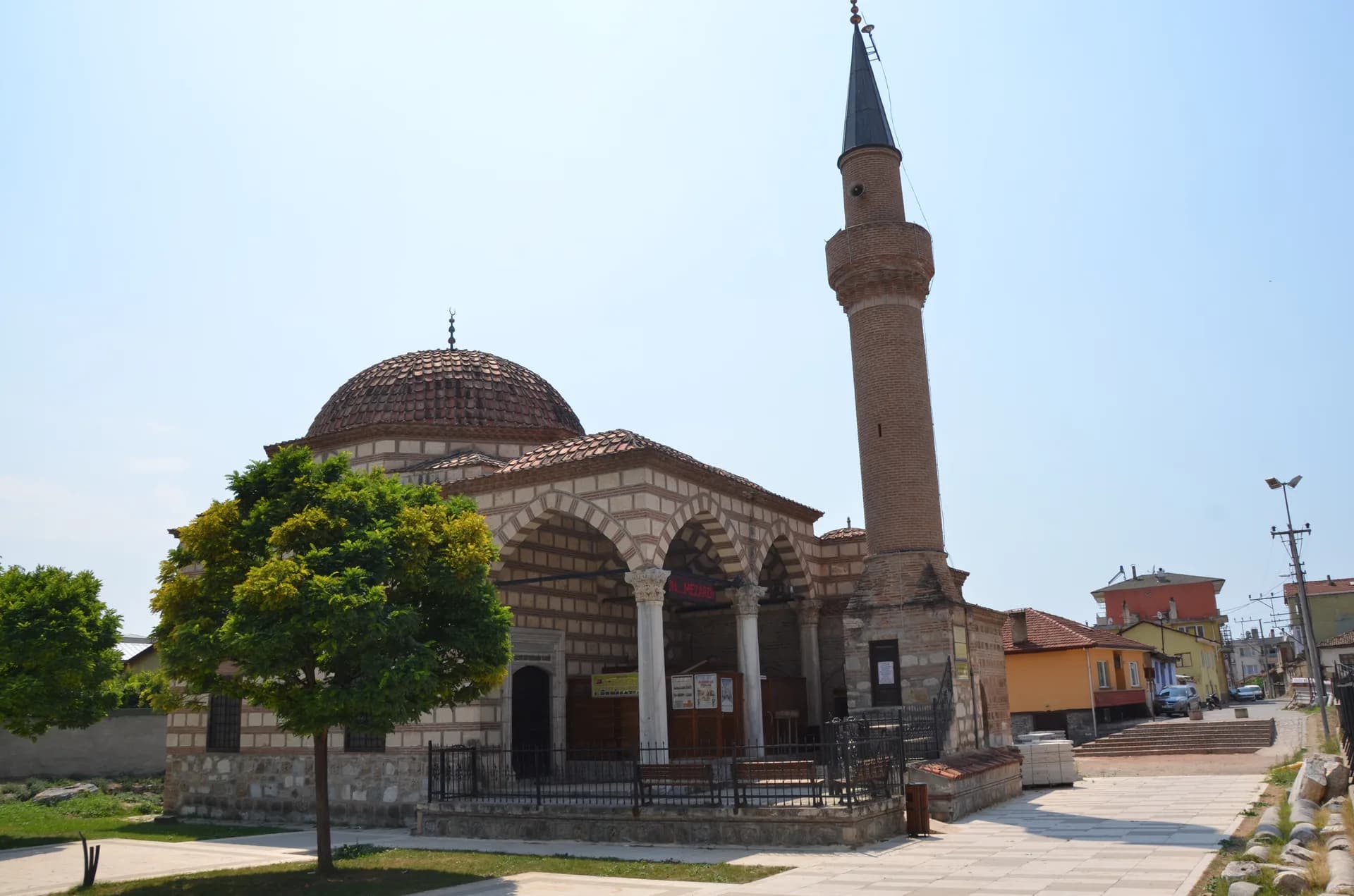
Nilüfer Hatun Imaret is a charity structure built in 1388 in the name of Nilüfer Hatun, the mother of Murad I. The imaret, one of the outstanding examples of early Ottoman buildings with an inverted T plan, was a social center that served meals to travelers and those in need. Today, as the Turkish Islamic Arts Museum, it focuses on collections of tiles, coins, inscriptions and Ottoman daily life; The archaeological collection is exhibited separately in the new Iznik Museum nearby.
Don't miss
As you move from the porticoed entrance to the domed central space, consider the social function of the building.
Examine the facade structure where stone and brick are used alternately.
Make additional time for the sarcophagi, tombstones and architectural pieces in the garden.
Ceramic finds provide the opportunity to compare the daily and artistic aspects of Iznik production.
historical background
Nilüfer Hatun Imareti was built by Sultan Murad I in 1388 as a charity to distribute food to the poor in memory of his mother Nilüfer Hatun.
It is a masterpiece of Early Ottoman civil architecture with its dome combinations, vault arches and colorful brickwork.
In the building, which was converted into a museum in 1960, Iznik tiles, production animations, coins from different periods, inscriptions and works of Ottoman daily life are exhibited. The New Iznik Museum presents its archaeological collection in a separate building in the south of the city.
Local image archive