Reading Iznik from the City Plan: Four Doors, Two Main Streets
A city reading guide to explore on foot the order established by the gates of Istanbul, Lefke, Yenişehir and Lake, with two main streets intersecting in the middle.
In this article3
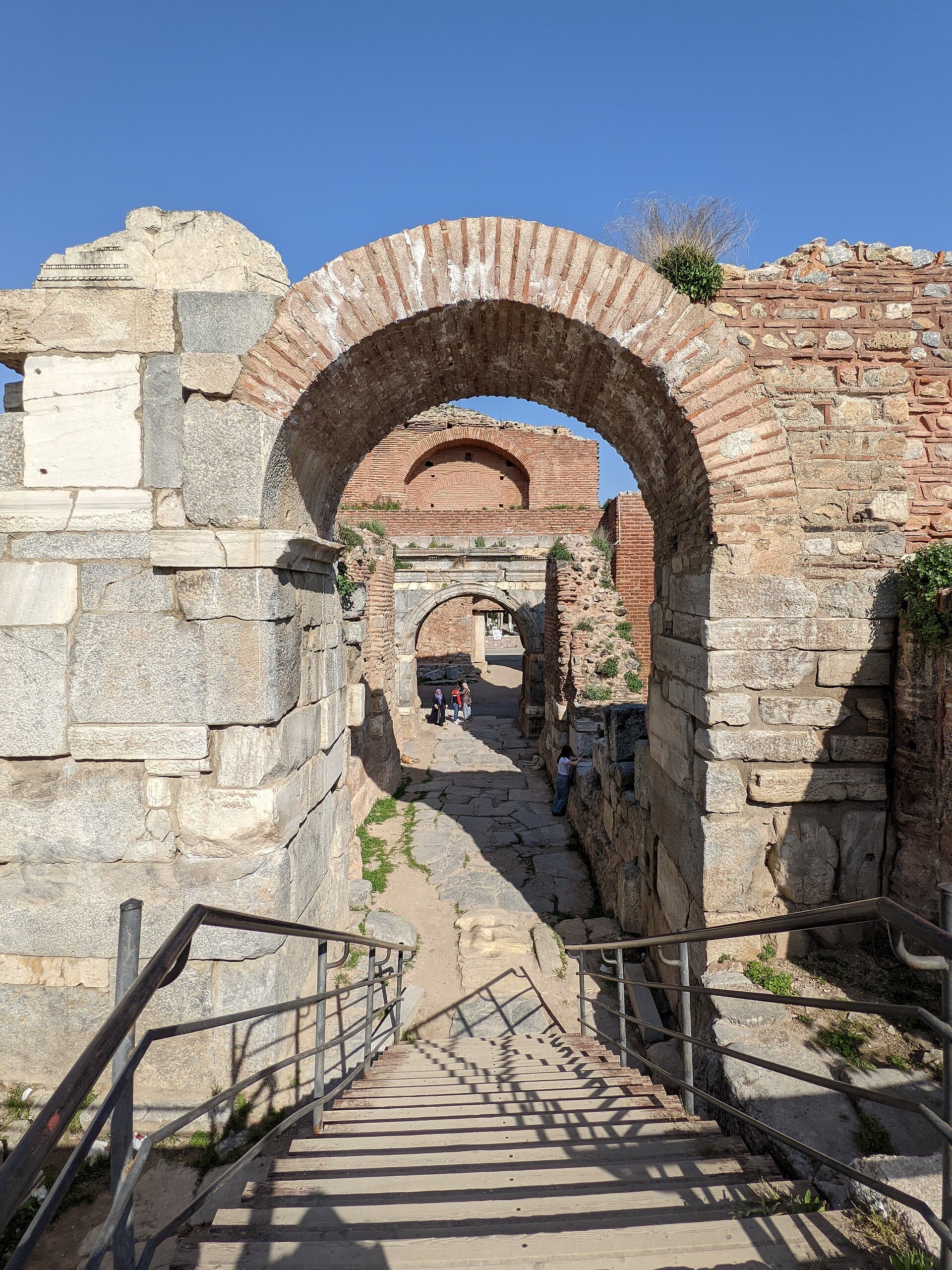
The best way to understand Iznik is not to mark the monuments one by one, but to walk in order among them. The main axes of ancient Nikaia in the north-south and east-west directions still carry the daily movement of the city today; Four monumental gates mark the ends of these two lines.
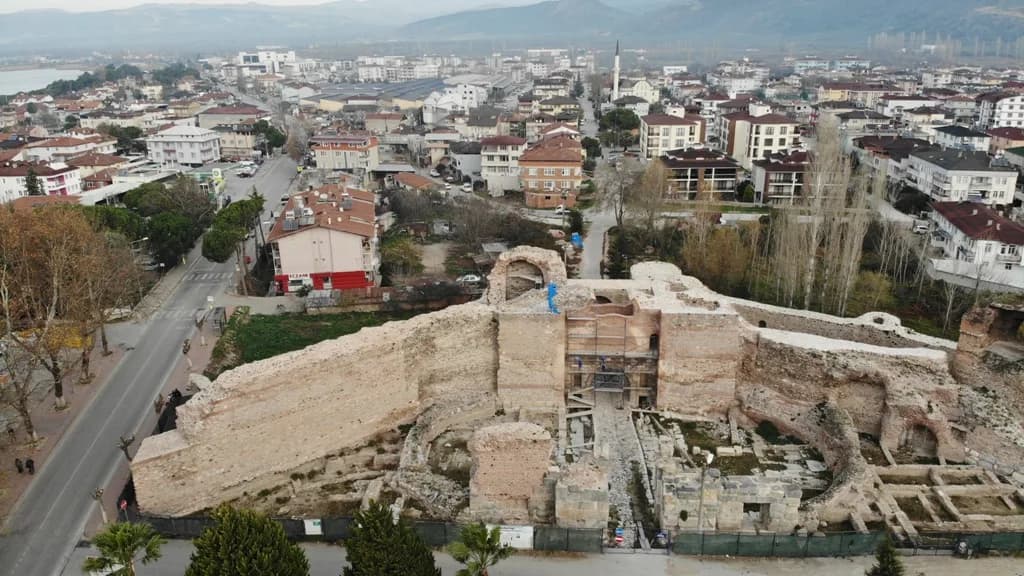
The area around Hagia Sophia in the center is not just the middle of this geometry, but a focus where periods overlap. The Roman city plan, Byzantine walls, early Ottoman structures and today's bazaar are connected on the same walk.
From North to South: From Istanbul Gate to Yenişehir Gate
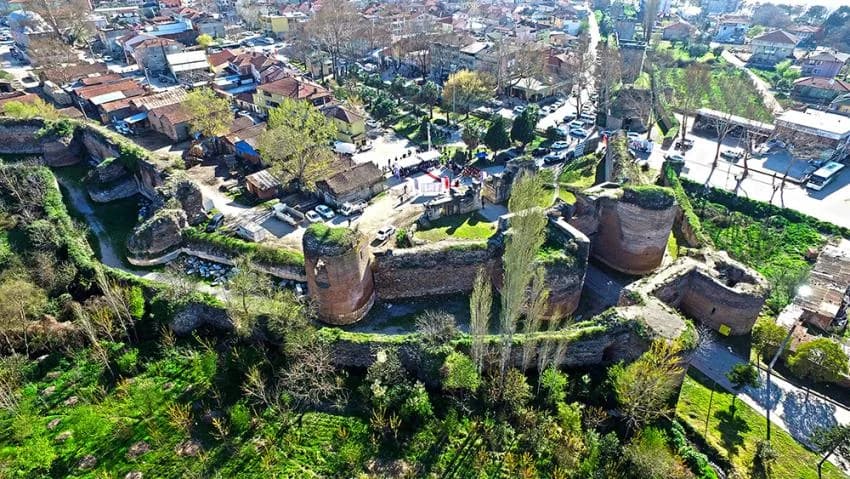
At the Istanbul Gate, start by passing the outer passage, the defense courtyard and the inner gate one after the other. When you turn south, today's street approximately continues the main direction of the ancient city. Even though the age of the buildings changes along the way, the sense of axis does not disappear.
Proceeding to Yenişehir Gate after the center makes you feel the true scale of the city. The archaeological museum and the tomb structures in the south help to understand the relationship between life inside the city walls and the necropolis areas.
before setting off
- ◆Observe vehicle traffic at gate crossings; Prefer morning or afternoon light to see the stonework.
From East to West: From Lefke Gate to the Lake Shore
As you walk west through the corridor-shaped passage of the Lefke Gate, you reach the Green Mosque, Nilüfer Hatun Imaret and the tile kilns. This section makes the transition from the eastern entrance to the early Ottoman urban core visible from a short distance.
The western end of the axis opens to the lake. Today's traces of the ancient port and Lake Gate are more fragmented; However, it is possible to complete the role of water in transportation, defense and daily life on the coast.
What to Look for While Walking?
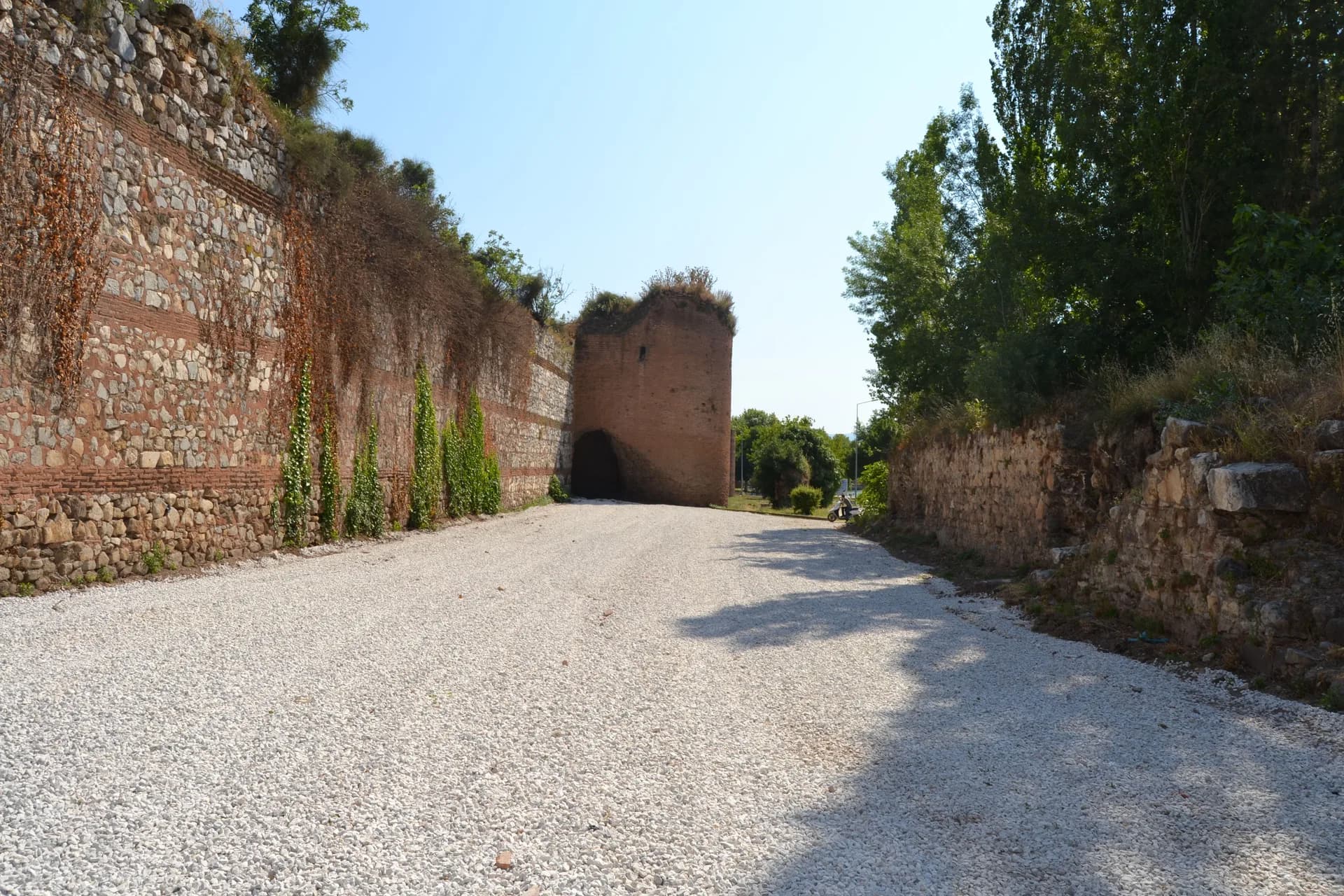
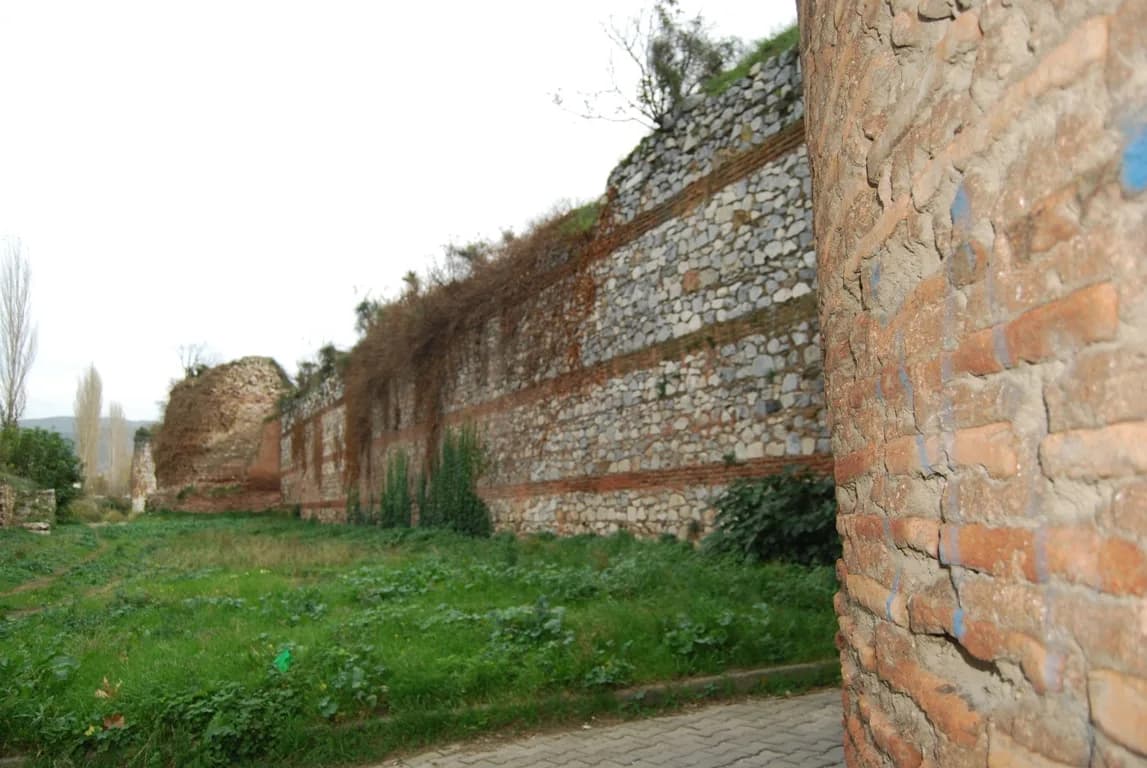
Look not just at monument facades, but at road levels, reused marble blocks on walls, and where the stone-brick pattern changes. These show the earthquake, repair and reuse phases of the city.
You can complete the route in a single day; But dividing it into two half days makes it easier to adapt to the visiting hours of museums and places of worship and see the details without rushing.
Continue reading