Places to Visit in Iznik: History, Nature and Tile Heritage Guide
Explore Iznik's 2500-year-old open-air museum step by step, from Hagia Sophia to the lake promenade, from the Roman theater to the monumental city walls.
In this article4
Iznik (ancient Nikaia), which served as the capital or administrative center of four empires from the Kingdom of Bithynia to Rome, from Byzantium to Seljuk and Ottoman, is one of the richest open-air museums in the world with its compact city plan surrounded by walls. Every street you step on whispers of ancient stone pavements and thousand-year-old monuments lying just a few meters below the asphalt.
In order to visit Iznik properly, instead of consuming the monuments in a hurry, it is necessary to organize a trip centered on the north-south and east-west main streets of the city. In this comprehensive guide, we have brought together the main stops, walking times and visiting tips stretching from Hagia Sophia in the center to the lakeshore.
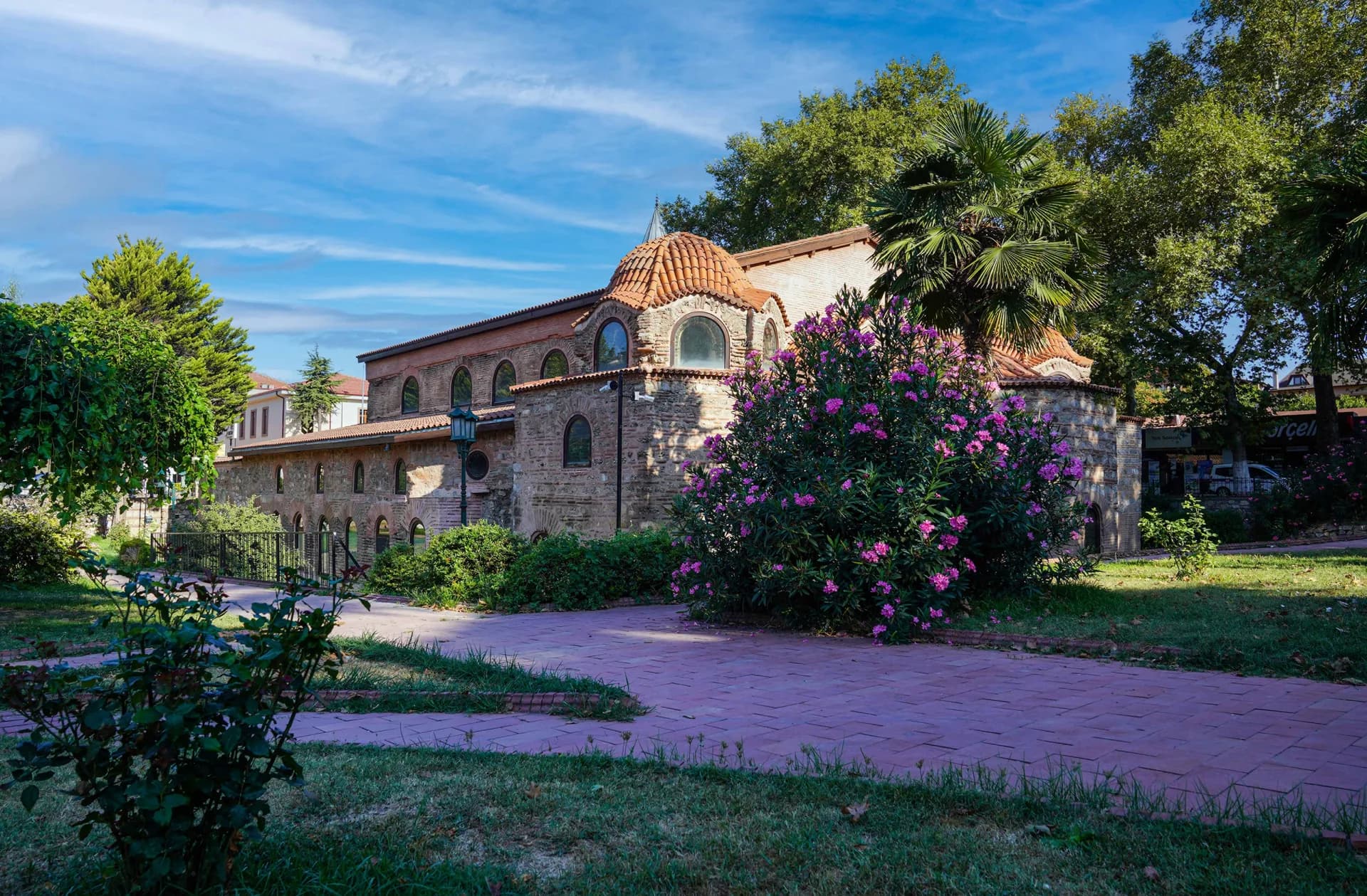
Focus Point of the City: Hagia Sophia (Orhan Mosque) and Bazaar Surroundings
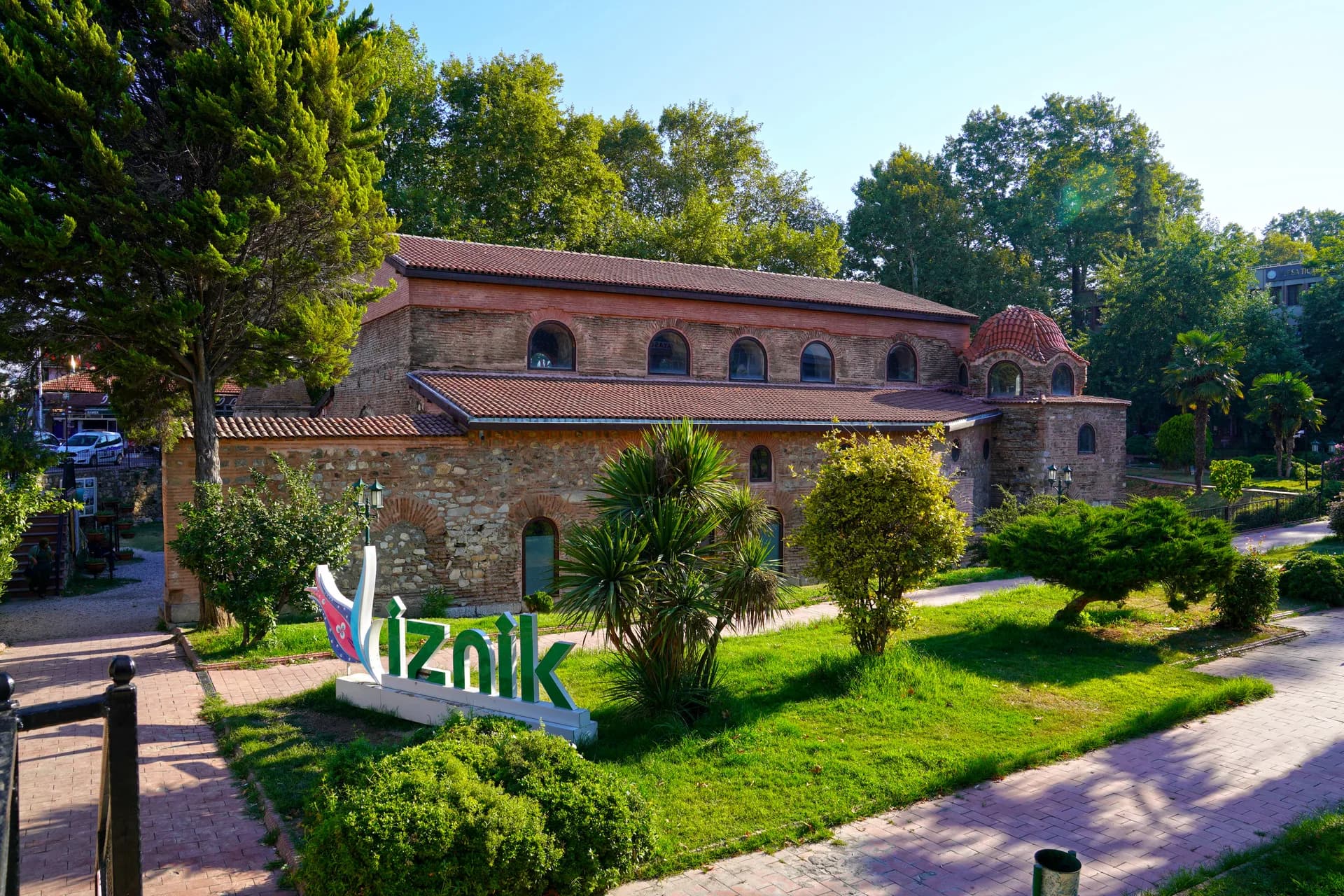
Be sure to start your Iznik trip with Hagia Sophia, which rises at the very heart of the city, at the intersection of the axes coming from the four main gates. The building, which was built in the 4th century and hosted the 7th Ecumenical Council in 787, is a sacred place where the iconoclasm debates in the history of Christianity ended.
The building, which was converted into a mosque by Orhan Gazi in 1331 and renovated with the touches of Mimar Sinan in the 16th century, continues to function as both a place of worship and a museum today. Be sure to examine the fresco ruins in the apse and the geometric 'opus sectile' marble mosaics on the floor.
before setting off
- ◆Take advantage of the natural window light in the morning to see Hagia Sophia's floor mosaics clearly.
- ◆Admission is free; Pay attention to silence during prayer hours.
Early Ottoman Heritage: Green Mosque, Nilüfer Hatun Soup Kitchen and Tile Kilns
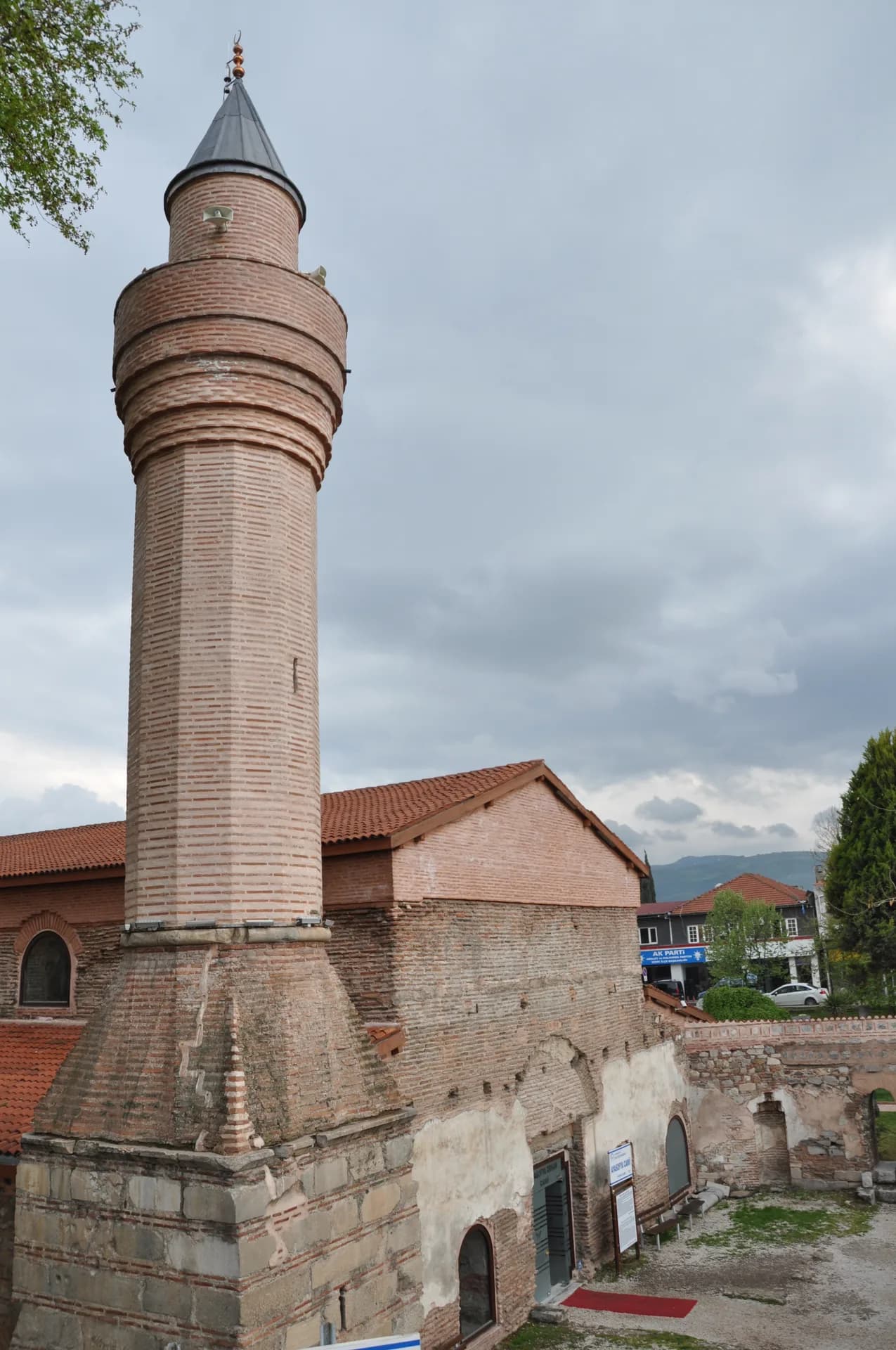
When you walk east from the center, towards the Lefke Gate, you encounter the pinnacle of elegance of Early Ottoman architecture. Green Mosque, built by Çandarlı Halil Hayreddin Pasha, takes its name from its minaret decorated with turquoise, green and purple glazed bricks. The zigzag weaves of the minaret document the elegance of the transition of Ottoman art from principality to empire.
Nilüfer Hatun Imaret, located right across the Green Mosque, is the most impressive example of the inverted T-planned Ottoman soup kitchen architecture that has survived to the present day. In the garden of the building, which today serves as the Turkish-Islamic Arts Museum, there is a period dating from the 14th to the 17th centuries, when Iznik tiles were produced. century furnace excavation areas.
before setting off
- ◆Nilüfer Hatun Imaret and Tile Excavation Site can be visited with a Museum Card except Mondays.
- ◆Don't miss the reliefs on the ancient sarcophagi and funerary stelae in the garden.
Ancient Nikaia: Roman Theater and Monumental Wall Gates
When you head towards the southwest of the city, Iznik Roman Theatre, one of the rare vaulted Roman theaters built on a flat plain in Anatolia, welcomes you. Mentioned in Pliny's letters to Emperor Trajan, the theater has a layered history ranging from gladiator fights to Byzantine ceramic workshops.
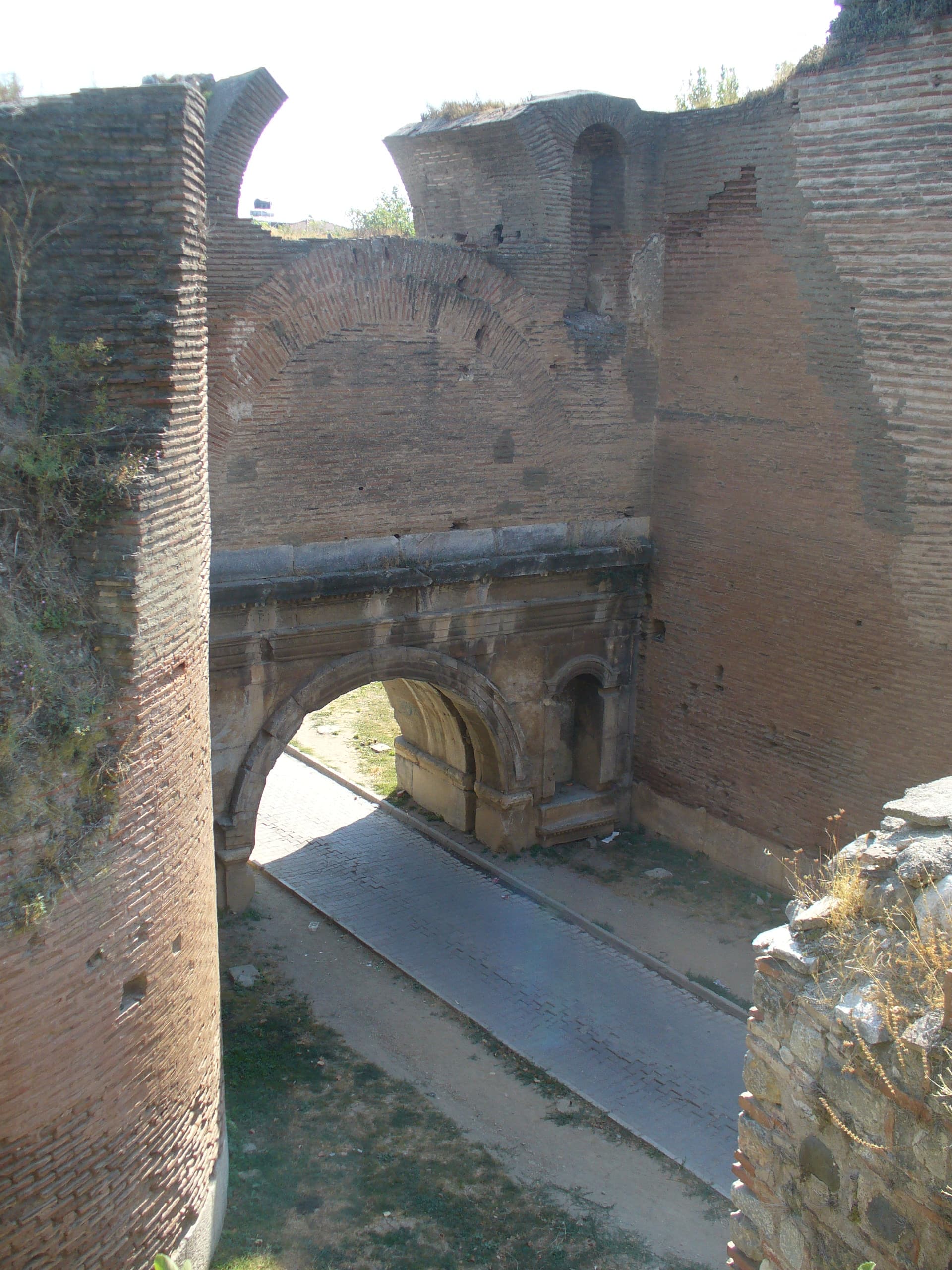
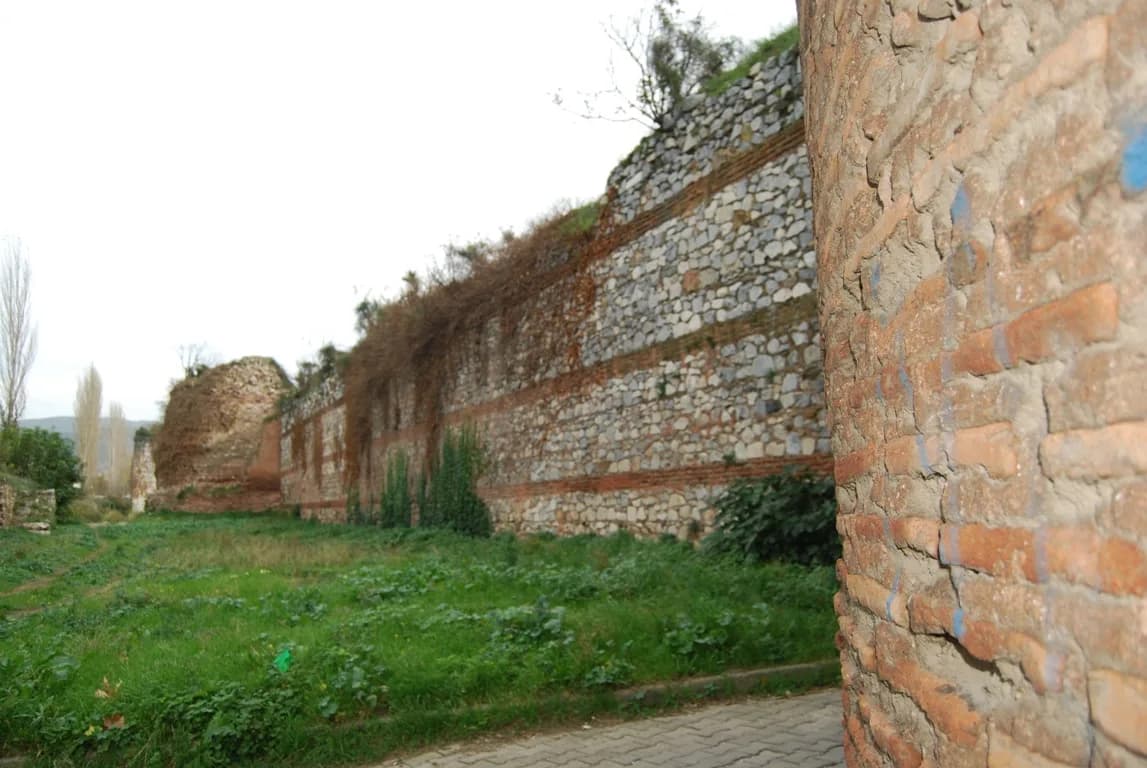
Located on the 4970-meter walls surrounding the city, Istanbul Gate and Lefke Gate present a visual feast of military engineering with their Roman triumphal arch architecture, Medusa and mask reliefs. Traces of the double wall system and defensive ditches can be easily read even today.
before setting off
- ◆To see the marble mask reliefs at the Istanbul Gate closely, enter the inner courtyard of the gate.
- ◆Carry a hat and water as there is little shade around the city walls in the midday heat.
Lake Promenade, Sunken Basilica and Sunset
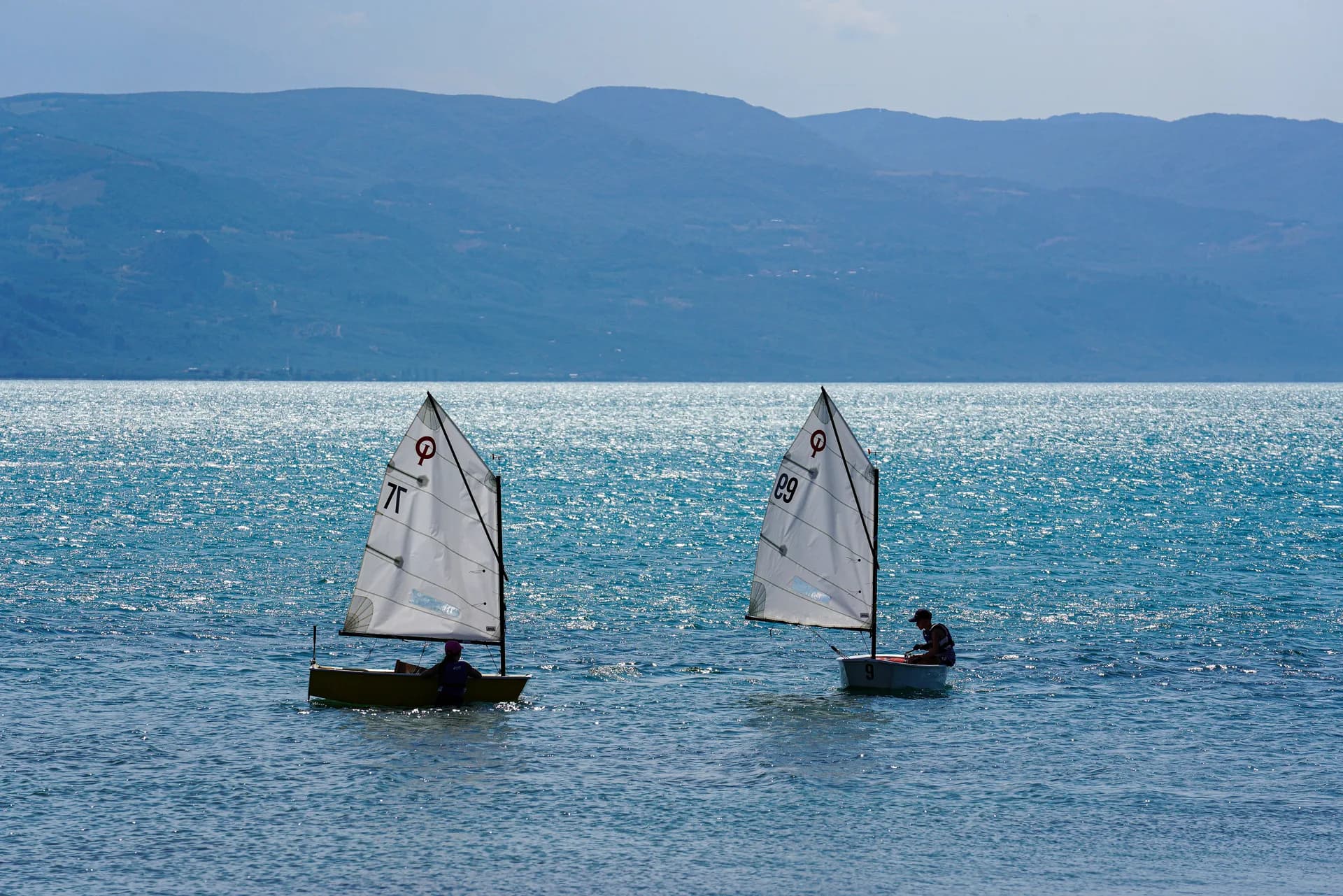
To relieve the tiredness of the day, turn your route west, along the Iznik Lake promenade. The 1,500-year-old Sunken Basilica of St. Neophytos, discovered 20 meters off the coast when the waters receded in 2014, is one of the most exciting finds of underwater archeology in the world.
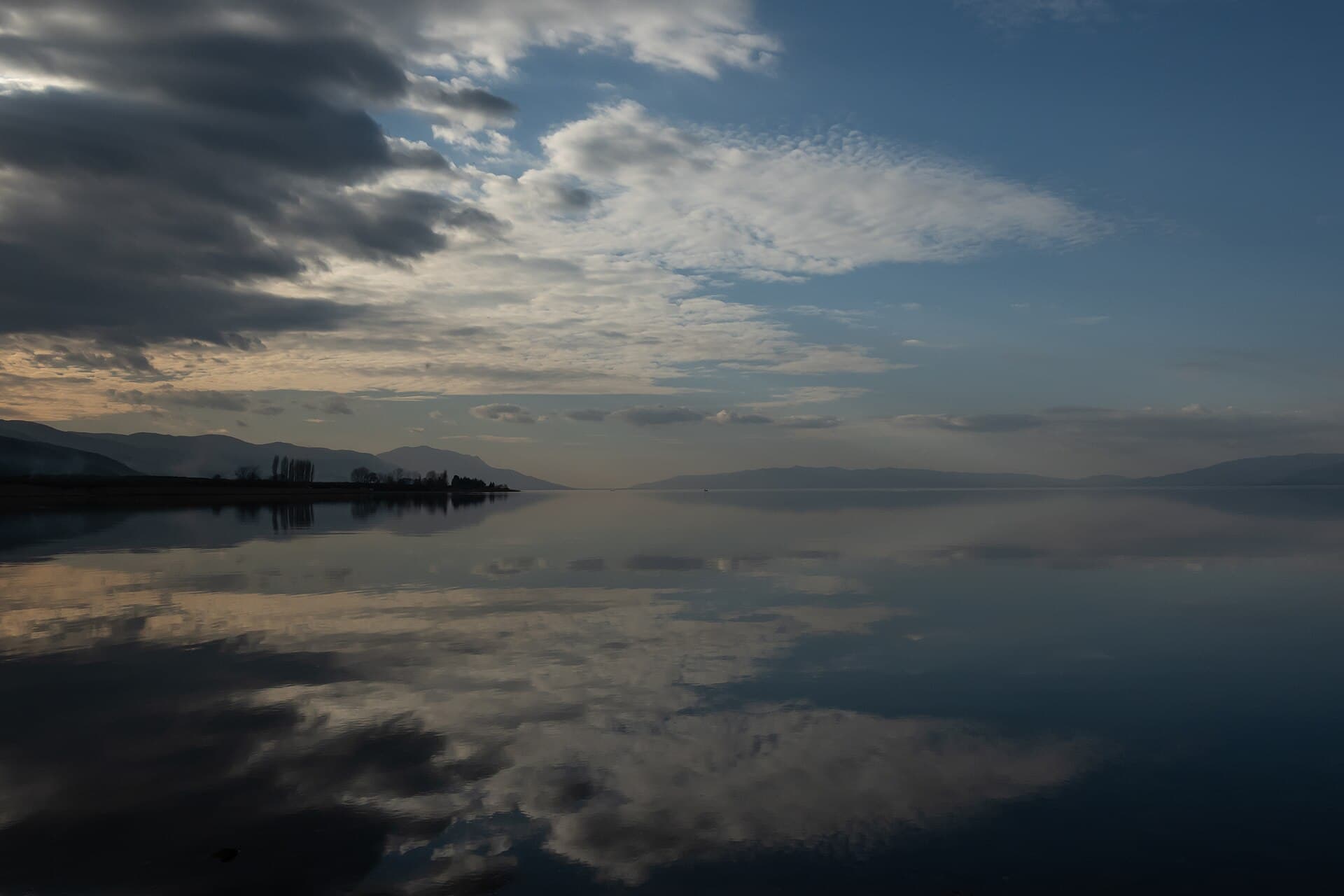
Sipping your tea under the plane trees on the lakeside walkway and watching the golden and turquoise reflections of the sun hitting the lake waters behind the opposite mountains will be the unforgettable finale of your Iznik trip.
before setting off
- ◆Take photos just before sunset at the viewing pier on the shore of the sunken basilica.
- ◆You can ride a rental bike on the bike path along the beach.
Continue reading